


Acrinathrin
Unlock Precision in Residue Analysis with Acrinathrin Reference Materials
Ensure your laboratory's compliance with regulatory limits using our high-purity Acrinathrin reference materials. HPC Standards GmbH provides top-tier analytical standards for accurate residue analysis in food and environmental samples. Trust our rigorously tested products to deliver reliable results every time.
Filter
| Produkt | Bild | Artikelnummer/ CAS-Nr. | Füllmenge | Preis |
|---|---|---|---|---|
ISO 17034 Certified Reference Material AcrinathrinKonzentration: 100 µg/ml Lösungsmittel: Ethyl acetate | 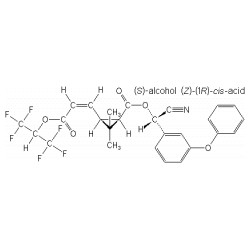 | 673473101007-06-1 | 1×5 ml | Bitte anmelden |
ISO 17034 Reference Material Acrinathrin | 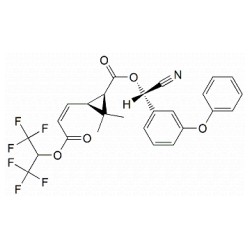 | 677188101007-06-1 | 1×100 mg | Bitte anmelden |
ISO 17034 Certified Reference Material AcrinathrinKonzentration: 100 µg/ml Lösungsmittel: Acetonitrile | 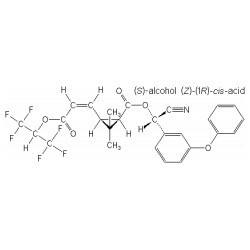 | 678079101007-06-1 | 1×1 ml | Bitte anmelden |
ISO 17034 Certified Reference Material AcrinathrinKonzentration: 100 µg/ml Lösungsmittel: Cyclohexane | 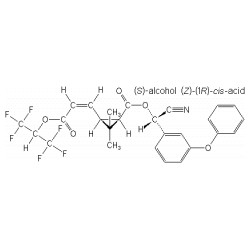 | 688906101007-06-1 | 1×5 ml | Bitte anmelden |
Acrinathrin
High-purity reference materials for accurate residue analysis in food and environmental samples.
Overview
Acrinathrin is a pyrethroid insecticide and acaricide derived from hexafluoro-2-propanol. It is commonly used in agriculture and beekeeping to control pests such as the mite Varroa jacobsoni.
Its chemical formula is C26H21F6NO5, and it has a molar mass of 541.446 g/mol.
Uses
Acrinathrin is widely used in agriculture to manage insect and mite infestations. It is particularly effective against pests in crops and is also used in beekeeping to control Varroa mites.
Regulatory
Acrinathrin is regulated under various international guidelines to ensure its safe use in food and environmental applications. It is essential to comply with these regulations to avoid any potential health risks.
Monitoring
Regular monitoring of Acrinathrin residues in food and environmental samples is crucial for compliance with regulatory limits. High-purity reference materials from HPC Standards GmbH ensure accurate and reliable residue analysis.
Health Impact
Human Toxicity
Acrinathrin can be toxic to humans if ingested, inhaled, or absorbed through the skin. Proper safety measures should be taken when handling this chemical to prevent exposure.
Environmental Impact
Effects on Wildlife
Acrinathrin is toxic to aquatic organisms and can have detrimental effects on non-target wildlife species. Its use should be carefully managed to minimize environmental impact.
Safety Measures
When handling Acrinathrin, it is essential to use appropriate personal protective equipment (PPE) and follow safety guidelines to prevent exposure. Proper storage and disposal methods should also be adhered to.
Regulation
Acrinathrin is subject to stringent regulatory controls to ensure its safe use in food and environmental applications. Compliance with these regulations is mandatory for all users.
Analytical Standards
HPC Standards GmbH offers high-purity reference materials for Acrinathrin, ensuring accurate and reliable residue analysis. Our products meet the highest industrial standards and are tested according to international quality requirements.