

Butyltin trichloride
Unlock Precision with High-Purity Butyltin Trichloride Reference Materials
Ensure your laboratory's compliance and accuracy with our high-purity Butyltin Trichloride reference materials. Essential for precise residue analysis in food and environmental samples, our products meet the highest industrial standards and international quality requirements. Trust HPC Standards GmbH for reliable, top-tier analytical standards in your food and environmental testing.
Filter
| Produkt | Bild | Artikelnummer/ CAS-Nr. | Füllmenge | Preis |
|---|---|---|---|---|
ISO 17034 Reference Material Butyltin trichloride | 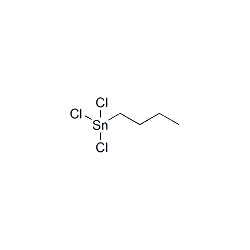 | 6771531118-46-3 | 1×100 mg | Bitte anmelden |
| D9-Butyltin trichloride | 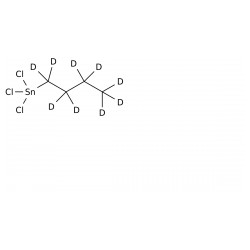 | 691549 | 1×10 mg | Bitte anmelden |
Butyltin Trichloride
High-purity reference materials for precise residue analysis in food and environmental samples.
Overview
Butyltin trichloride is an organotin compound with the chemical formula C4H9Cl3Sn. It is used in various industrial applications, including as a catalyst and stabilizer in the production of plastics and other materials.
Uses
Butyltin trichloride is primarily used as a catalyst in the manufacturing of polyurethanes and silicones. It is also used as a stabilizer in the production of PVC and other polymers.
Regulatory
Regulatory agencies have established guidelines for the safe handling and usage of butyltin trichloride. It is important for laboratories to comply with these regulations to ensure safety and environmental protection.
Monitoring
The monitoring of butyltin trichloride levels in environmental and food samples is crucial for ensuring compliance with regulatory limits. Accurate measurement requires high-purity reference materials.
Health Impact
Exposure to butyltin trichloride can have various health impacts. It is essential to understand these effects to implement proper safety measures.
Human Toxicity
Butyltin trichloride is toxic to humans, and exposure can result in skin and eye irritation, respiratory issues, and other health problems. Proper handling and protective equipment are necessary to minimize risks.
Environmental Impact
Butyltin trichloride can have significant environmental impacts, particularly on aquatic ecosystems.
Effects on Wildlife
Exposure to butyltin trichloride can be harmful to wildlife, especially aquatic organisms. It can disrupt endocrine systems and cause reproductive and developmental issues in various species.
Safety Measures
Proper safety measures should be implemented when handling butyltin trichloride. This includes the use of personal protective equipment (PPE), proper ventilation, and adherence to safety protocols.
Regulation
Various regulations govern the use and disposal of butyltin trichloride to protect human health and the environment. Compliance with these regulations is mandatory for all laboratories and industries using this compound.
Analytical Standards
High-purity reference materials are essential for the accurate and reliable analysis of butyltin trichloride in food and environmental samples. These materials ensure that laboratories can meet regulatory requirements and maintain high standards of quality control.