

Chinomethionate
Unlock Precision in Residue Analysis with High-Purity Chinomethionate Standards
Ensure the accuracy and reliability of your residue analysis with our high-purity Chinomethionate reference materials. Essential for laboratories in food and environmental sectors, our products meet the highest industrial standards and comply with international quality requirements. Trust HPC Standards GmbH for your analytical needs and maintain regulatory compliance effortlessly.
Filter
| Produkt | Bild | Artikelnummer/ CAS-Nr. | Füllmenge | Preis |
|---|---|---|---|---|
ISO 17034 Reference Material Chinomethionate | 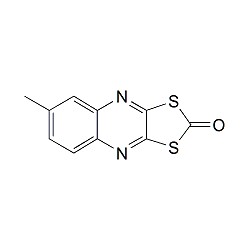 | 6779532439-01-2 | 1×250 mg | Bitte anmelden |
ISO 17034 Certified Reference Material ChinomethionateKonzentration: 100 µg/ml Lösungsmittel: Acetonitrile | 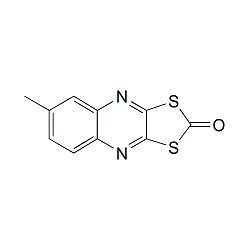 | 6857212439-01-2 | 1×1 ml | Bitte anmelden |
Chinomethionate
High-purity reference materials for accurate residue analysis
Overview
Chinomethionate is a fungicide used in agriculture to protect crops from fungal infections. It is known for its efficacy in controlling a wide range of fungal diseases, ensuring better crop yields and quality.
Uses
Chinomethionate is primarily used in the agricultural sector to protect fruits, vegetables, and ornamental plants from fungal diseases. It is applied as a foliar spray or soil treatment, depending on the type of crop and disease being targeted.
Regulatory
Chinomethionate is regulated by various international and national agencies to ensure its safe use in agriculture. Compliance with regulatory limits is essential for market access and consumer safety. Laboratories conducting residue analysis must adhere to these regulations to ensure accurate and reliable results.
Monitoring
Regular monitoring of Chinomethionate residues in food and the environment is crucial for ensuring compliance with regulatory standards. Analytical methods such as chromatography and mass spectrometry are commonly used for this purpose.
Health Impact
Human Toxicity
Chinomethionate can pose health risks if not handled properly. Prolonged exposure or ingestion can lead to adverse health effects. It is important for workers handling this chemical to follow safety guidelines to minimize risks.
Environmental Impact
Effects on Wildlife
Chinomethionate can have detrimental effects on non-target organisms, including beneficial insects, aquatic life, and wildlife. Its use must be carefully managed to minimize environmental impact.
Safety Measures
Proper safety measures must be in place when handling Chinomethionate. This includes the use of personal protective equipment (PPE), proper storage, and disposal according to regulatory guidelines.
Regulation
Chinomethionate is subject to stringent regulations to ensure its safe use. These regulations cover aspects such as maximum residue limits (MRLs), application methods, and permissible exposure levels.
Analytical Standards
High-purity reference materials for Chinomethionate are essential for accurate and reliable residue analysis. HPC Standards GmbH provides high-quality reference materials tested according to international quality requirements, ensuring compliance with the highest industrial standards.