


Clomazone
High-Purity Clomazone Reference Materials for Accurate Residue Analysis
Ensure precise and reliable residue analysis with our high-purity Clomazone reference materials. Essential for laboratories focused on food and environmental analysis, our products meet international quality requirements and the highest industrial standards. Trust HPC Standards GmbH for your Clomazone analytical needs and ensure compliance with regulatory limits.
Filter
| Produkt | Bild | Artikelnummer/ CAS-Nr. | Füllmenge | Preis |
|---|---|---|---|---|
ISO 17034 Certified Reference Material ClomazoneKonzentration: 10.0 µg/ml Lösungsmittel: Acetonitrile | 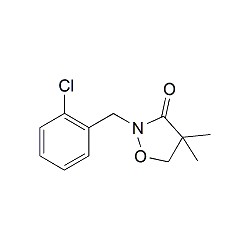 | 67323681777-89-1 | 1×10 ml | Bitte anmelden |
ISO 17034 Certified Reference Material ClomazoneKonzentration: 100 µg/ml Lösungsmittel: Acetonitrile | 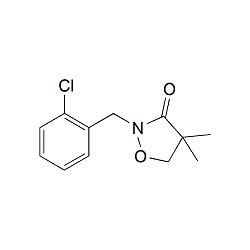 | 67323781777-89-1 | 1×5 ml | Bitte anmelden |
ISO 17034 Certified Reference Material ClomazoneKonzentration: 10 µg/ml Lösungsmittel: Ethyl acetate | 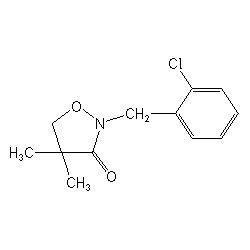 | 67376481777-89-1 | 1×10 ml | Bitte anmelden |
ISO 17034 Certified Reference Material ClomazoneKonzentration: 100 µg/ml Lösungsmittel: Ethyl acetate | 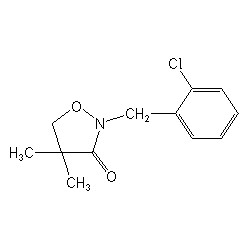 | 67376581777-89-1 | 1×5 ml | Bitte anmelden |
ISO 17034 Reference Material Clomazone | 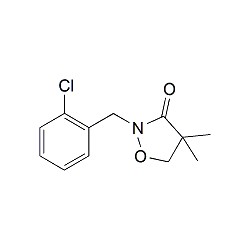 | 67414181777-89-1 | 1×100 mg | Bitte anmelden |
ISO 17034 Certified Reference Material ClomazoneKonzentration: 100 µg/ml Lösungsmittel: Acetone | 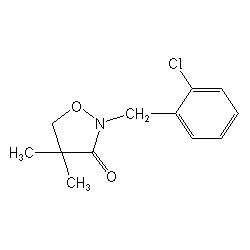 | 68938281777-89-1 | 1×5 ml | Bitte anmelden |
ISO 17034 Certified Reference Material Clomazone | 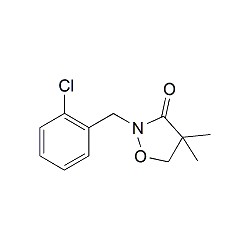 | 69249181777-89-1 | 1×50 mg | Bitte anmelden |
Clomazone Reference Materials
High-purity reference materials for accurate and reliable residue analysis of Clomazone.
Overview
Clomazone is an agricultural herbicide, known for its effectiveness in broadleaf weed control across various crops. It is a white solid with a chemical formula of C12H14ClNO2 and a molar mass of 239.69806 g/mol. Clomazone suppresses the biosynthesis of chlorophyll and other plant pigments, making it a crucial tool in agricultural management.
Uses
Clomazone is used in several crops including soybeans, peas, maize, oilseed rape, sugar cane, cassava, pumpkins, and tobacco. It can be applied pre-emergence or incorporated before planting the crop.
Regulatory
Clomazone was first registered by the USEPA on March 8, 1993, and was commercialized by FMC Corporation. It meets international quality requirements and the highest industrial standards.
Monitoring
Monitoring Clomazone residues is essential for ensuring compliance with regulatory limits. Our high-purity reference materials enable laboratories to achieve accurate and reliable residue analysis.
Health Impact
Human Toxicity
Exposure to Clomazone can have health impacts, and it is crucial to follow safety measures to minimize risk. Detailed toxicological data should be consulted for comprehensive safety guidelines.
Environmental Impact
Effects on Wildlife
Clomazone is relatively volatile and can impact non-target sensitive plants through vapor exposure. It undergoes biological degradation with a soil half-life of one to four months, and encapsulation helps reduce its volatility.
Safety Measures
Proper handling and application procedures must be followed to ensure safety. Encapsulation of Clomazone can help reduce off-target damage.
Regulation
Clomazone is regulated by various international bodies to ensure safe use and compliance with environmental standards. Adherence to these regulations is critical for minimizing its environmental and health impacts.
Analytical Standards
Our high-purity reference materials for Clomazone are essential for laboratories conducting food and environmental analysis. These materials ensure compliance with regulatory limits and meet the highest industrial standards.