

Dichloroacetic acid
Ensure Compliance with High-Purity Dichloroacetic Acid Reference Materials
Unlock precision in residue analysis with our high-purity Dichloroacetic Acid reference materials. HPC Standards GmbH offers top-tier analytical standards, rigorously tested to meet international quality requirements. Essential for laboratories in food and environmental sectors, our products guarantee accurate results and regulatory compliance. Partner with us for reliable and high-quality reference materials.
Filter
| Produkt | Bild | Artikelnummer/ CAS-Nr. | Füllmenge | Preis | |
|---|---|---|---|---|---|
| Dichloroacetic acid | 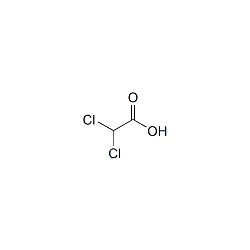 | 68033679-43-6 | 1×1 ml | Bitte anmelden | |
ISO 17034 Certified Reference Material Dichloroacetic acidKonzentration: 100 µg/ml Lösungsmittel: Acetonitrile | 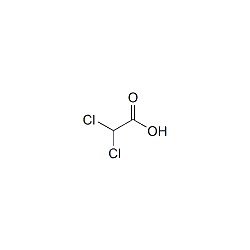 | 68033779-43-6 | 1×1 ml | Bitte anmelden | |
ISO 17034 Reference Material D2-Dichloroacetic acid | 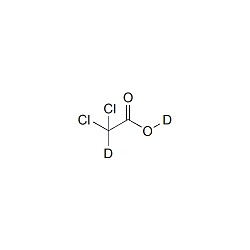 | 68288763403-57-6 | 1×25 mg | auf Anfrage | |
ISO 17034 Certified Reference Material D2-Dichloroacetic acidKonzentration: 100.0 µg/ml Lösungsmittel: tert-Butyl methyl ether | 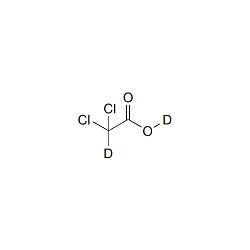 | 69466263403-57-6 | 1×5 ml | auf Anfrage | |
ISO 17034 Certified Reference Material D2-Dichloroacetic acidKonzentration: 100.0 µg/ml Lösungsmittel: Acetonitrile | 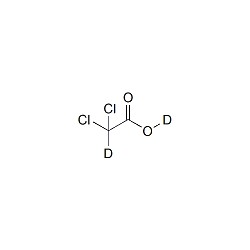 | 69470463403-57-6 | 1×5 ml | auf Anfrage | |
Dichloroacetic Acid
High-purity reference materials for accurate residue analysis in food and environmental samples.
Overview
Dichloroacetic acid (DCA) is a chemical compound that is widely used in various industrial applications. It is a chlorinated acetic acid derivative with the formula C2H2Cl2O2. DCA is often used in research and has potential applications in medicine, particularly in the treatment of metabolic disorders.
Uses
Dichloroacetic acid is primarily used in the synthesis of organic compounds and as a reagent in chemical research. It has also been studied for its potential therapeutic effects in the treatment of certain diseases, including cancer and diabetes.
Regulatory
Regulatory bodies have set specific limits for the presence of dichloroacetic acid in food and environmental samples. Compliance with these regulatory limits is essential for ensuring public safety and environmental protection.
Monitoring
Regular monitoring of dichloroacetic acid levels in food and environmental samples is crucial for compliance with regulatory standards. Analytical methods involving high-purity reference materials are used to detect and quantify the presence of DCA.
Health Impact
Human Toxicity
Dichloroacetic acid can be toxic to humans if ingested, inhaled, or absorbed through the skin. It can cause irritation to the eyes, skin, and respiratory system. Long-term exposure may lead to more severe health effects, including potential carcinogenicity.
Environmental Impact
Effects on Wildlife
Dichloroacetic acid can have detrimental effects on wildlife, particularly aquatic organisms. It can disrupt ecosystems by affecting the health and survival of various species.
Safety Measures
Proper safety measures should be implemented when handling dichloroacetic acid. This includes using personal protective equipment (PPE), working in well-ventilated areas, and following proper storage and disposal guidelines.
Regulation
Dichloroacetic acid is regulated by various national and international agencies to ensure its safe use and to limit its environmental and health impacts. Adherence to these regulations is mandatory for industries that manufacture, use, or dispose of DCA.
Analytical Standards
HPC Standards GmbH provides high-purity reference materials for dichloroacetic acid, ensuring accurate and reliable residue analysis. Our products meet the highest industrial standards and are tested according to international quality requirements. These reference materials are essential for laboratories conducting food and environmental analysis to ensure compliance with regulatory limits.