

Dichlorobenzyl chloride
Dichlorobenzyl Chloride: PREMIUM High-Purity Reference Materials for Precise Residue Analysis
Ensure your laboratory's accuracy and compliance with HPC Standards GmbH's high-purity Dichlorobenzyl chloride reference materials. Essential for food and environmental analysis, our products meet the highest international quality standards, providing reliable results for regulatory adherence. Trust HPC Standards for your analytical needs in pharmaceuticals, agrochemicals, and beyond.
Filter
| Produkt | Bild | Artikelnummer/ CAS-Nr. | Füllmenge | Preis | |
|---|---|---|---|---|---|
ISO 17034 Reference Material 2,6-Dichlorobenzyl chloride | 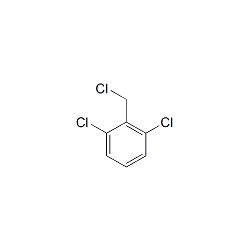 | 6825532014-83-7 | 1×250 mg | Bitte anmelden | |
ISO 17034 Reference Material 2,4-Dichlorobenzyl chloride | 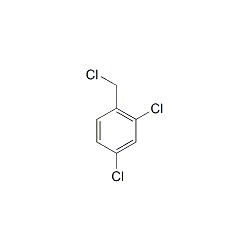 | 68351394-99-5 | 1×250 mg | auf Anfrage | |
ISO 17034 Certified Reference Material 2,6-Dichlorobenzyl chlorideKonzentration: 100 µg/ml Lösungsmittel: Methanol | 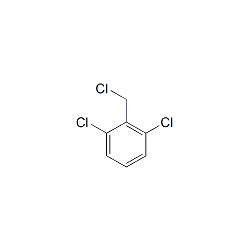 | 6892042014-83-7 | 1×5 ml | auf Anfrage | |
ISO 17034 Certified Reference Material 2,4-Dichlorobenzyl chlorideKonzentration: 100 µg/ml Lösungsmittel: Methanol | 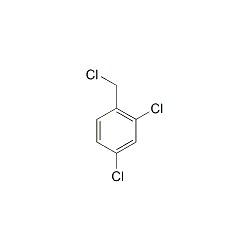 | 68922094-99-5 | 1×5 ml | auf Anfrage | |
Dichlorobenzyl chloride
Dichlorobenzyl chloride: High-purity reference materials for accurate residue analysis
Overview
Dichlorobenzyl chloride is a chemical compound used in various industrial applications. It is a chlorinated derivative of benzyl chloride and is known for its effectiveness in residue analysis.
Uses
Dichlorobenzyl chloride is primarily used in the synthesis of pharmaceuticals, agrochemicals, and other organic compounds. It is also employed in laboratories for residue analysis in food and environmental samples.
Regulatory
The use of Dichlorobenzyl chloride is regulated by various international bodies to ensure safety and compliance. Laboratories must adhere to these regulations to maintain the integrity of their analyses.
Monitoring
Regular monitoring of Dichlorobenzyl chloride levels in environmental and food samples is crucial. This ensures that the compound remains within safe limits and does not pose a risk to human health or the environment.
Health Impact
Human Toxicity
Dichlorobenzyl chloride can be toxic if inhaled, ingested, or comes into contact with skin. Proper safety measures should be taken to minimize exposure and protect laboratory personnel.
Environmental Impact
Effects on Wildlife
Dichlorobenzyl chloride can have detrimental effects on wildlife if released into the environment. It is essential to monitor and control its levels to prevent ecological damage.
Safety Measure
Proper safety protocols must be followed when handling Dichlorobenzyl chloride. This includes the use of personal protective equipment (PPE) and adherence to safety guidelines to prevent exposure.
Regulation
Compliance with international regulations is mandatory for laboratories using Dichlorobenzyl chloride. These regulations ensure that the compound is used safely and responsibly.
Analytical Standards
HPC Standards GmbH provides high-purity reference materials for Dichlorobenzyl chloride. These materials are essential for accurate and reliable residue analysis in laboratories, ensuring compliance with regulatory limits.