

Dicofol
High-Purity Dicofol Reference Materials for Accurate Residue Analysis
Ensure precise and reliable residue analysis with HPC Standards' high-purity Dicofol reference materials. Our products are rigorously tested to meet international quality standards, making them essential for laboratories conducting food and environmental analysis. Trust HPC Standards for compliance with regulatory limits and superior analytical performance.
Filter
| Produkt | Bild | Artikelnummer/ CAS-Nr. | Füllmenge | Preis |
|---|---|---|---|---|
ISO 17034 Certified Reference Material DicofolKonzentration: 100 µg/ml Lösungsmittel: Ethyl acetate | 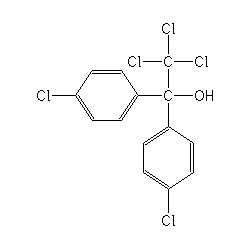 | 673548115-32-2 | 1×5 ml | Bitte anmelden |
ISO 17034 Reference Material Dicofol | 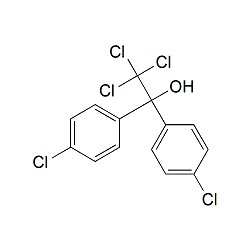 | 675263115-32-2 | 1×100 mg | Bitte anmelden |
ISO 17034 Certified Reference Material DicofolKonzentration: 100 µg/ml Lösungsmittel: Acetonitrile | 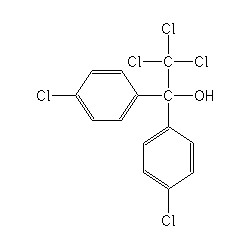 | 678390115-32-2 | 1×5 ml | Bitte anmelden |
ISO 17034 Certified Reference Material DicofolKonzentration: 100 µg/ml Lösungsmittel: Cyclohexane | 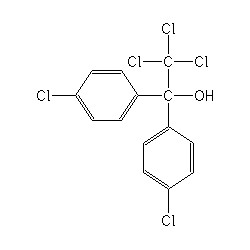 | 679492115-32-2 | 1×1 ml | Bitte anmelden |
ISO 17034 Certified Reference Material 2,4'-DicofolKonzentration: 10.0 µg/ml Lösungsmittel: Isooctane | 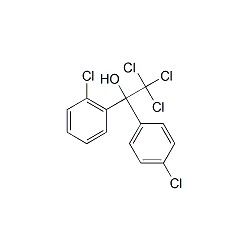 | 68169810606-46-9 | 1×1 ml | Bitte anmelden |
ISO 17034 Certified Reference Material 2,4'-DicofolKonzentration: 10.0 µg/ml Lösungsmittel: Cyclohexane | 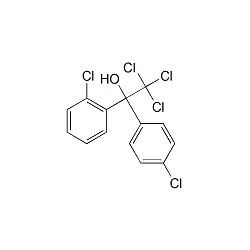 | 68811310606-46-9 | 1×1 ml | Bitte anmelden |
ISO 17034 Certified Reference Material Dicofol | 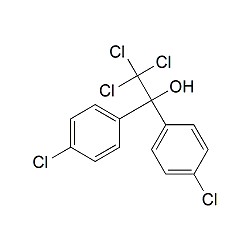 | 691276115-32-2 | 1×50 mg | Bitte anmelden |
| D8-Dicofol | 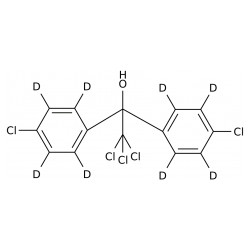 | 6916302714413-20-2 | 1×10 mg | Bitte anmelden |
ISO 17034 Certified Reference Material 2,4'-DicofolKonzentration: 100 µg/ml Lösungsmittel: Acetonitrile | 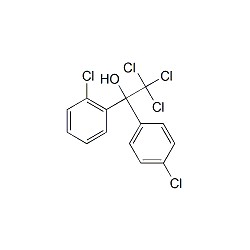 | 69242010606-46-9 | 1×1 ml | Bitte anmelden |
ISO 17034 Certified Reference Material D8-DicofolKonzentration: 100 µg/ml Lösungsmittel: Cyclohexane | 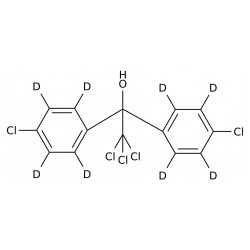 | 6926382714413-20-2 | 1×1 ml | Bitte anmelden |
Dicofol Reference Materials
High-purity reference materials for accurate and reliable residue analysis of Dicofol.
Overview
Dicofol is an organochlorine insecticide and miticide, structurally related to DDT. It is effective against spider mites and is used in agricultural and domestic settings. Dicofol is banned internationally under the Stockholm Convention due to its environmental and health impacts.
Uses
Dicofol is used as a foliar spray on agricultural crops and ornamentals, and in or around agricultural and domestic buildings for mite control. It is formulated as emulsifiable concentrates, wettable powders, dusts, ready-to-use liquids, and aerosol sprays.
Regulatory
Dicofol is banned under the Stockholm Convention. In the US, the EPA has implemented restrictions on its use to protect the environment and wildlife. In the EU, dicofol with more than 0.1% DDT or related compounds cannot be used.
Monitoring
Monitoring dicofol residues is critical for ensuring compliance with regulatory limits. HPC Standards provides high-purity reference materials for accurate residue analysis.
Health Impact
Human Toxicity
Dicofol is classified as a moderately hazardous pesticide by the WHO. Acute exposure can cause nausea, dizziness, weakness, vomiting, skin irritation, and eye contact may cause conjunctivitis. Chronic exposure can lead to liver, kidney, and central nervous system damage.
Environmental Impact
Effects on Wildlife
Dicofol is harmful to aquatic animals, causing eggshell thinning in birds. It is highly toxic to fish, aquatic invertebrates, and algae.
Safety Measures
Proper handling and application of dicofol are essential to minimize risks to human health and the environment. Personal protective equipment should be used, and exposure should be minimized.
Analytical Standards
HPC Standards provides high-purity reference materials for the accurate and reliable analysis of dicofol residues. Our products are tested according to international quality requirements and meet the highest industrial standards, ensuring compliance with regulatory limits.