

Dimethyl phthalate
Dimethyl Phthalate
: Your Reliable Partner for Accurate Residue Analysis Ensure precision in your food and environmental testing with HPC Standards GmbH's high-purity reference materials for Dimethyl Phthalate. Our products meet the highest industrial standards, providing essential support for laboratories to comply with regulatory limits and safeguard human and environmental health. Trust in our expertise for reliable and accurate residue analysis.
Filter
| Produkt | Bild | Artikelnummer/ CAS-Nr. | Füllmenge | Preis | |
|---|---|---|---|---|---|
ISO 17034 Reference Material Dimethyl phthalate | 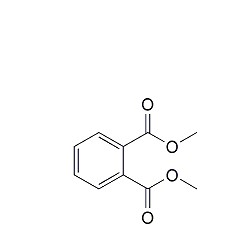 | 672843131-11-3 | 1×1000 mg | Bitte anmelden | |
ISO 17034 Certified Reference Material Dimethyl phthalateKonzentration: 1000 µg/ml Lösungsmittel: Cyclohexane | 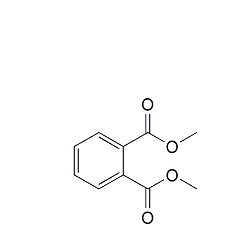 | 684436131-11-3 | 1×1 ml | Bitte anmelden | |
ISO 17034 Reference Material D4-Dimethyl phthalate | 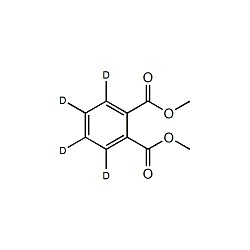 | 68805493951-89-4 | 1×10 mg | auf Anfrage | |
Dimethyl Phthalate
High-purity reference materials for accurate and reliable residue analysis
Overview
Dimethyl phthalate (DMP), also known as dimethyl benzene-1,2-dicarboxylate, is an organic compound and a phthalate ester. It is a colorless, oily liquid with a slight aromatic odor, soluble in organic solvents but poorly soluble in water (~4 g/L). DMP is primarily used as an insect repellent and in various consumer products.
Uses
DMP is used in a variety of products, including insect repellents for mosquitoes and flies, cosmetics, inks, soaps, household cleaning supplies, solid rocket propellants, and plastics. It is also used as a plasticizer for cellulose-esters, such as cellulose acetate and cellulose acetate butyrate, and as a fixative for perfumes.
Regulatory
The U.S Environmental Protection Agency has classified Dimethyl phthalate as not classifiable for human carcinogenicity. Permissible exposure limits include a TWA of 5 mg/m3 and an IDLH of 2000 mg/m3.
Monitoring
Monitoring of DMP levels in various environments is crucial to ensure compliance with regulatory limits and to protect human health and the environment.
Health Impact
Human toxicity
Acute exposure to DMP via inhalation can cause irritation to the eyes, nose, and throat. Chronic effects, reproductive effects, and carcinogenicity of DMP are not fully established. However, it is considered to have less potential for inducing health hazards compared to other phthalates.
Environmental Impact
Effects on wildlife
DMP can cause oxidative damage to aquatic organisms such as zebrafish. It also affects soil bacteria like Pseudomonas fluorescens, inhibiting growth and glucose utilization, which can impact plant growth and soil health.
Safety Measure
Proper handling and storage of DMP are essential to minimize exposure risks. Personal protective equipment (PPE) should be used when handling this compound.
Analytical Standards
HPC Standards GmbH provides high-purity reference materials for Dimethyl phthalate, ensuring accurate and reliable residue analysis. Our products meet the highest industrial standards and are essential for laboratories conducting food and environmental analysis.