


Dinitrobenzene
Dinitrobenzene Reference Materials – Precision for Compliance
Ensure accurate residue analysis of Dinitrobenzene in food and environmental samples with HPC Standards GmbH's high-purity reference materials. Our products meet stringent international quality requirements, providing reliable results for laboratories to maintain regulatory compliance. Trust HPC Standards for your analytical needs in food and environmental safety.
Filter
| Produkt | Bild | Artikelnummer/ CAS-Nr. | Füllmenge | Preis |
|---|---|---|---|---|
| 1,3-Dinitrobenzene | 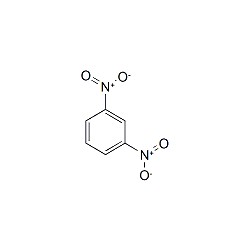 | 67830199-65-0 | 1×250 mg | Bitte anmelden |
ISO 17034 Reference Material 1,2-Dinitrobenzene | 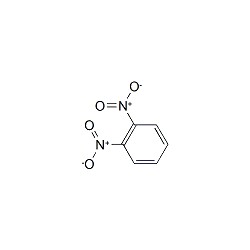 | 678302528-29-0 | 1×250 mg | Bitte anmelden |
| 1,4-Dinitrobenzene | 684576100-25-4 | 1×250 mg | Bitte anmelden | |
ISO 17034 Certified Reference Material 1,3-DinitrobenzeneKonzentration: 100 µg/ml Lösungsmittel: Acetonitrile | 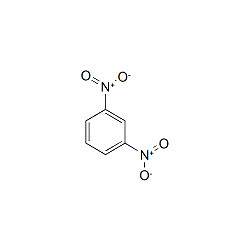 | 69469299-65-0 | 1×5 ml | Bitte anmelden |
ISO 17034 Certified Reference Material 1,2-DinitrobenzeneKonzentration: 100 µg/ml Lösungsmittel: Acetonitrile | 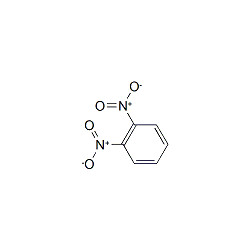 | 694693528-29-0 | 1×5 ml | Bitte anmelden |
ISO 17034 Certified Reference Material 1,4-DinitrobenzeneKonzentration: 100 µg/ml Lösungsmittel: Acetonitrile | 694694100-25-4 | 1×5 ml | Bitte anmelden |
Dinitrobenzene Reference Materials
High-quality reference materials for precise residue analysis of Dinitrobenzene in food and environmental samples.
Overview
Dinitrobenzenes are nitrobenzenes composed of a benzene ring and two nitro group (-NO2) substituents. The three possible arrangements of the nitro groups afford three isomers: 1,2-dinitrobenzene, 1,3-dinitrobenzene, and 1,4-dinitrobenzene. Each isomer has the chemical formula C6H4N2O4 and a molar mass of about 168.11 g/mol.
Uses
1,3-Dinitrobenzene is the most common isomer and is primarily used in the manufacture of explosives.
Regulatory
Dinitrobenzenes are subject to stringent regulatory controls due to their toxic nature and potential environmental impact. Compliance with international standards is essential for laboratories handling these substances.
Monitoring
Accurate monitoring of dinitrobenzene residues in food and environmental samples is crucial for ensuring compliance with regulatory limits. High-purity reference materials are essential for reliable analysis.
Health Impact
Dinitrobenzenes are toxic to humans. Exposure can occur through inhalation, ingestion, or skin contact, leading to severe health effects.
Human Toxicity
Exposure to dinitrobenzenes can cause symptoms such as headaches, dizziness, and cyanosis. Prolonged exposure may lead to more severe health issues, including damage to the liver and kidneys.
Environmental Impact
Dinitrobenzenes are harmful to the environment and can have significant adverse effects on wildlife.
Effects on Wildlife
These compounds can be toxic to aquatic life and other wildlife, leading to disruptions in ecosystems.
Safety Measures
Proper handling and storage of dinitrobenzenes are essential to minimize exposure risks. Use appropriate personal protective equipment (PPE) and follow safety guidelines.
Regulation
Dinitrobenzenes are regulated under various national and international laws. Laboratories must adhere to these regulations to ensure safe and compliant use.
Analytical Standards
HPC Standards GmbH provides high-purity reference materials for dinitrobenzenes, ensuring accurate and reliable residue analysis. Our products meet the highest industrial standards and are tested according to international quality requirements.