


Hexabromocyclododecane
Ensure Accurate Residue Analysis with High-Purity Hexabromocyclododecane (HBCD) Reference Materials
HPC Standards GmbH offers top-tier Hexabromocyclododecane (HBCD) reference materials, meticulously tested to meet international quality standards. Essential for laboratories in food and environmental analysis, our high-purity HBCD ensures precise and reliable results, aiding compliance with regulatory limits. Trust HPC Standards for your analytical needs in monitoring and assessing HBCD residues.
Filter
| Produkt | Bild | Artikelnummer/ CAS-Nr. | Füllmenge | Preis |
|---|---|---|---|---|
ISO 17034 Certified Reference Material 1,2,5,6,9,10-Hexabromocyclododecane | 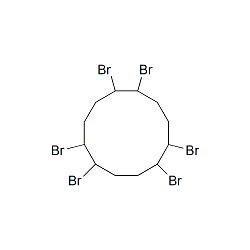 | 6769233194-55-6 | 1×250 mg | Bitte anmelden |
ISO 17034 Certified Reference Material 1,2,5,6,9,10-HexabromocyclododecaneKonzentration: 100 µg/ml Lösungsmittel: Methanol | 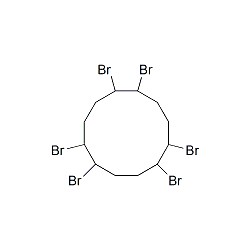 | 6798343194-55-6 | 1×5 ml | Bitte anmelden |
Hexabromocyclododecane (HBCD) Reference Materials
High-purity reference materials for accurate and reliable residue analysis of Hexabromocyclododecane (HBCD).
Overview
Hexabromocyclododecane (HBCD) is a brominated flame retardant primarily used in extruded and expanded polystyrene foam for thermal insulation in construction. It is also found in upholstered furniture, automobile interiors, packaging materials, and electronic equipment. HBCD consists of twelve carbon, eighteen hydrogen, and six bromine atoms, forming a cyclic structure.
Uses
HBCD is extensively used for its flame-retardant properties in:
- Construction materials (XPS and EPS foam)
- Upholstered furniture
- Automobile interiors
- Packaging materials
- Electronic equipment housings
Regulatory
Due to its persistence, toxicity, and ecotoxicity, HBCD has been listed under various regulations:
- Stockholm Convention on Persistent Organic Pollutants (Annex A)
- European Chemicals Agency (SVHC list and REACH Annex XIV)
- EPA's List of Chemicals of Concern
HBCD is subject to authorization and restrictions, with specific exemptions for certain uses in construction materials.
Monitoring
HBCD is monitored in environmental samples such as soil, sediment, wildlife, and human tissues. Long-term monitoring programs indicate a general decrease in environmental concentrations over time.
Health Impact
Human toxicity: HBCD is classified as a category 2 reproductive toxin. It can bioaccumulate in lipid-rich tissues and has varying toxicokinetic profiles depending on its stereoisomer form.
Environmental Impact
HBCD is persistent and bioaccumulative, posing risks to wildlife and ecosystems. It has been detected in various environmental samples, indicating its widespread distribution and long-range transport.
Safety Measures
Handling HBCD requires strict safety measures due to its hazardous nature. Protective equipment and proper disposal methods are essential to minimize exposure and environmental contamination.
Analytical Standards
HPC Standards GmbH provides high-purity reference materials for HBCD, ensuring accurate and reliable residue analysis. Our products meet international quality requirements and the highest industrial standards, essential for laboratories conducting food and environmental analysis.