

Isopropylparaben
Ensure Accurate Residue Analysis with High-Purity Isopropylparaben Reference Materials
Isopropylparaben: Essential for precise and reliable residue analysis in food and environmental samples. HPC Standards GmbH offers high-purity reference materials that meet the highest industrial standards, ensuring compliance with international regulations. Ideal for laboratories focused on maintaining safety and quality in consumer products.
Filter
| Produkt | Bild | Artikelnummer/ CAS-Nr. | Füllmenge | Preis | |
|---|---|---|---|---|---|
ISO 17034 Reference Material D4-Isopropylparaben | 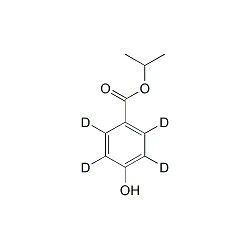 | 6818581219798-72-7 | 1×10 mg | auf Anfrage | |
ISO 17034 Certified Reference Material D4-IsopropylparabenKonzentration: 100 µg/ml Lösungsmittel: Acetonitrile | 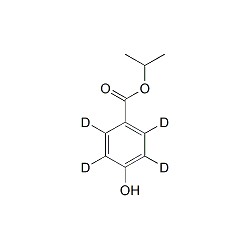 | 6818591219798-72-7 | 1×1 ml | auf Anfrage | |
| Isopropylparaben | 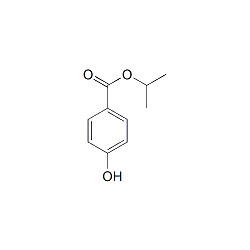 | 6890234191-73-5 | 1×100 mg | Bitte anmelden | |
Isopropylparaben
High-purity reference materials for accurate and reliable residue analysis in food and environmental samples.
Overview
Isopropylparaben, also known as Propan-2-yl 4-hydroxybenzoate, is a chemical compound belonging to the paraben family. It is commonly used as a preservative in cosmetics, pharmaceuticals, and food products.
Uses
Isopropylparaben is primarily used as an antimicrobial preservative in various consumer products. It helps to extend the shelf life of products by preventing the growth of bacteria, mold, and yeast.
Regulatory
Isopropylparaben is regulated by various international agencies to ensure its safe use in consumer products. Compliance with these regulations is essential for manufacturers and laboratories involved in food and environmental analysis.
Monitoring
Regular monitoring of isopropylparaben levels in products and the environment is crucial to ensure compliance with regulatory standards and to protect public health.
Health Impact
Isopropylparaben is generally considered safe for use in consumer products at low concentrations. However, it is important to monitor its levels to prevent potential health risks.
Human Toxicity
Exposure to high levels of isopropylparaben may cause skin irritation and allergic reactions in some individuals. Long-term exposure and high concentrations should be avoided.
Environmental Impact
Isopropylparaben can enter the environment through various pathways, including wastewater discharge from manufacturing facilities and consumer product use.
Effects on Wildlife
Isopropylparaben has been detected in aquatic environments, where it may pose risks to wildlife. Continuous monitoring and regulation are necessary to mitigate its environmental impact.
Safety Measures
Proper handling and disposal of isopropylparaben are essential to minimize health and environmental risks. Personal protective equipment (PPE) should be used when handling the compound.
Regulation
Isopropylparaben is subject to regulation by agencies such as the European Chemicals Agency (ECHA) and the U.S. Environmental Protection Agency (EPA). These regulations set limits on its use in consumer products and environmental emissions.
Analytical Standards
HPC Standards GmbH provides high-purity reference materials for isopropylparaben, ensuring accurate and reliable residue analysis. Our products meet the highest industrial standards and are essential for laboratories conducting food and environmental analysis.