


Nitrobenzene
Ensure Accurate Residue Analysis with High-Purity Nitrobenzene Reference Materials
HPC Standards GmbH offers top-tier Nitrobenzene reference materials, essential for precise and reliable residue analysis. Our high-purity standards meet international quality requirements, making them indispensable for laboratories focused on food and environmental analysis. Trust HPC Standards for compliance with stringent regulatory limits and superior analytical performance.
Filter
| Produkt | Bild | Artikelnummer/ CAS-Nr. | Füllmenge | Preis |
|---|---|---|---|---|
| Nitrobenzene | 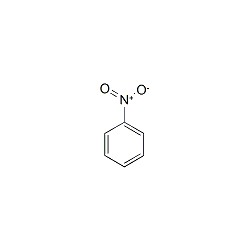 | 68035998-95-3 | 1×250 mg | Bitte anmelden |
ISO 17034 Certified Reference Material NitrobenzeneKonzentration: 100 µg/ml Lösungsmittel: Methanol | 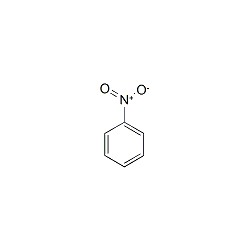 | 68220098-95-3 | 1×5 ml | Bitte anmelden |
ISO 17034 Reference Material D5-Nitrobenzene | 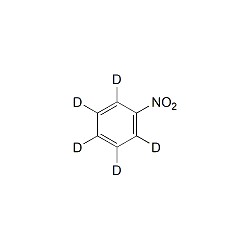 | 6842464165-60-0 | 1×1000 mg | Bitte anmelden |
ISO 17034 Certified Reference Material D5-NitrobenzeneKonzentration: 100 µg/ml Lösungsmittel: Acetone | 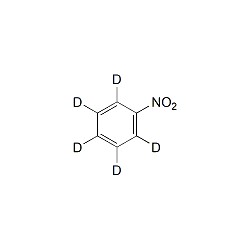 | 6844094165-60-0 | 1×1 ml | Bitte anmelden |
Nitrobenzene Reference Materials
High-purity reference materials for accurate and reliable residue analysis of Nitrobenzene.
Overview
Nitrobenzene is an aromatic nitro compound with the chemical formula C6H5NO2. It is a yellowish, oily liquid with an almond-like odor. It is produced on a large scale from benzene as a precursor to aniline.
Uses
Approximately 95% of industrially produced nitrobenzene is hydrogenated to aniline, which is used in the manufacture of urethane polymers, rubber chemicals, pesticides, dyes, explosives, and pharmaceuticals. Nitrobenzene is also used to mask unpleasant odors in various products and has applications in the production of paracetamol.
Regulatory
Nitrobenzene is classified as an extremely hazardous substance in the United States and is subject to strict reporting requirements. It is considered a likely human carcinogen by the US Environmental Protection Agency and classified as a Group 2B carcinogen by the IARC.
Monitoring
Due to its high toxicity, nitrobenzene exposure needs to be carefully monitored in industrial settings. The permissible exposure limit (PEL) and recommended exposure limit (REL) are both set at 1 ppm (5 mg/m3).
Health Impact
Nitrobenzene is highly toxic and can be absorbed through the skin. Prolonged exposure can cause serious damage to the central nervous system, liver, kidneys, and can impair vision. It is also a potential carcinogen.
Human Toxicity
Inhalation of nitrobenzene vapors can cause headaches, nausea, fatigue, dizziness, and cyanosis. Skin absorption can lead to increased heart rate, convulsions, or even death. Ingestion can cause gastrointestinal irritation and internal bleeding.
Environmental Impact
Nitrobenzene is hazardous to the environment and can have detrimental effects on wildlife. Proper handling and disposal are crucial to minimize its environmental impact.
Effects on Wildlife
Exposure to nitrobenzene can be harmful to various forms of wildlife, affecting their health and ecosystems.
Safety Measure
Proper safety measures should be implemented when handling nitrobenzene. This includes using personal protective equipment, proper ventilation, and following all safety guidelines and regulations.
Regulation
Nitrobenzene is regulated under various international and national laws due to its toxicity and environmental impact. Compliance with these regulations is essential for safe handling and use.
Analytical Standards
HPC Standards GmbH provides high-purity reference materials for nitrobenzene, ensuring accurate and reliable residue analysis. Our products meet the highest industrial standards and are essential for laboratories conducting food and environmental analysis to ensure compliance with regulatory limits.