


Oleoyl Ethanolamide
Unlock Precision in Residue Analysis with Oleoyl Ethanolamide
Discover the power of high-purity Oleoyl Ethanolamide (OEA) reference materials for precise and reliable residue analysis. As a naturally occurring lipid and PPAR-α agonist, OEA is pivotal in research on obesity, metabolic disorders, and appetite regulation. Ensure your laboratory's compliance with international quality standards and achieve accurate quantification with our top-tier reference materials. Trust HPC Standards GmbH for your food and environmental analysis needs.
Filter
| Produkt | Bild | Artikelnummer/ CAS-Nr. | Füllmenge | Preis |
|---|---|---|---|---|
ISO 17034 Reference Material D4-Oleoyl ethanolamide | 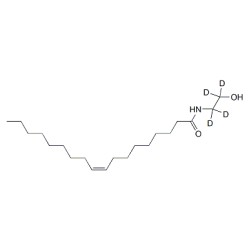 | 675681946524-36-3 | 1×5 mg | Bitte anmelden |
| Oleoyl ethanolamide | 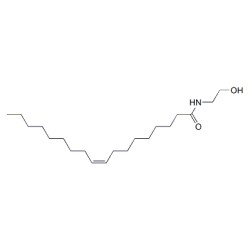 | 675820111-58-0 | 1×10 mg | Bitte anmelden |
ISO 17034 Certified Reference Material D4-Oleoyl ethanolamideKonzentration: 500 µg/ml Lösungsmittel: Ethanol | 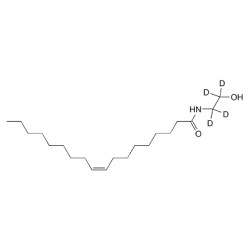 | 675822946524-36-3 | 1×1 ml | Bitte anmelden |
Oleoyl Ethanolamide
High-purity reference materials for precise and reliable residue analysis
Overview
Oleoyl Ethanolamide (OEA) is a naturally occurring lipid that plays a crucial role in regulating appetite, body weight, and lipid metabolism. It is an endogenous peroxisome proliferator-activated receptor alpha (PPAR-α) agonist.
Uses
OEA is used in various research studies focusing on obesity, metabolic disorders, and appetite regulation. It is also studied for its potential therapeutic effects in weight management and related health conditions.
Regulatory
Currently, there are no specific regulatory guidelines for OEA as it is primarily used in research settings. However, it is essential to adhere to general laboratory safety and quality standards when handling and analyzing OEA.
Monitoring
Monitoring OEA levels in biological samples is critical for understanding its role in metabolic processes and its potential therapeutic applications. High-purity reference materials are essential for accurate quantification and analysis.
Health Impact
OEA has been shown to influence appetite control and lipid metabolism, making it a potential candidate for obesity and metabolic disorder treatments.
Human Toxicity
There is limited information on the toxicity of OEA in humans. However, studies suggest that it is generally well-tolerated and does not exhibit significant adverse effects at physiological concentrations.
Environmental Impact
As a naturally occurring compound, OEA is not expected to have significant adverse environmental effects. However, further studies are needed to fully understand its environmental impact.
Effects on Wildlife
There is currently no evidence to suggest that OEA has harmful effects on wildlife. Its natural occurrence in organisms implies a low risk of environmental toxicity.
Safety Measures
When handling OEA, it is important to follow standard laboratory safety protocols, including the use of personal protective equipment (PPE) and proper storage conditions to maintain its stability and purity.
Regulation
While specific regulations for OEA are not established, compliance with general chemical handling and laboratory safety regulations is mandatory. Researchers should stay updated with any new guidelines or regulations that may emerge.
Analytical Standards
High-purity reference materials for OEA are crucial for ensuring accurate and reliable analytical results. These materials must meet international quality requirements and the highest industrial standards to support rigorous scientific research.