


Sulfapyridine
Sulfapyridine Reference Materials: Ensuring Precision in Residue Analysis
Unlock the highest standards in residue analysis with our high-purity Sulfapyridine reference materials. Essential for laboratories focused on food and environmental testing, our products guarantee accurate and reliable results, meeting stringent international quality requirements. Trust HPC Standards GmbH for your analytical needs and ensure compliance with regulatory limits.
Filter
| Produkt | Bild | Artikelnummer/ CAS-Nr. | Füllmenge | Preis | |
|---|---|---|---|---|---|
| Sulfapyridine | 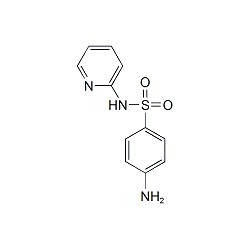 | 675334144-83-2 | 1×250 mg | Bitte anmelden | |
ISO 17034 Reference Material 13C6-Sulfapyridine | 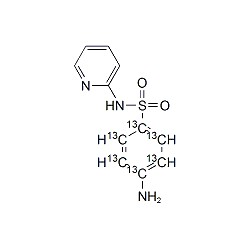 | 6776931228182-45-3 | 1×10 mg | Bitte anmelden | |
ISO 17034 Certified Reference Material SulfapyridineKonzentration: 100 µg/ml Lösungsmittel: Methanol | 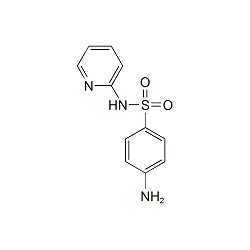 | 679819144-83-2 | 1×1 ml | Bitte anmelden | |
ISO 17034 Certified Reference Material 13C6-SulfapyridineKonzentration: 100 µg/ml Lösungsmittel: Acetonitrile | 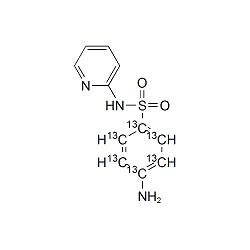 | 6907901228182-45-3 | 1×1 ml | Bitte anmelden | |
ISO 17034 Reference Material D4-Sulfapyridine | 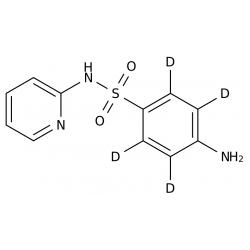 | 6935491189863-86-2 | 1×5 mg | auf Anfrage | |
ISO 17034 Certified Reference Material D4-SulfapyridineKonzentration: 100 µg/ml Lösungsmittel: Acetonitrile | 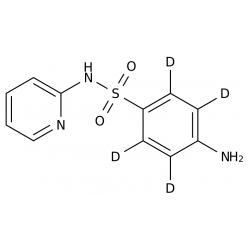 | 6935501189863-86-2 | 1×1 ml | auf Anfrage | |
Sulfapyridine Reference Materials
High-purity reference materials for accurate and reliable residue analysis in food and environmental testing.
Overview
Sulfapyridine is a sulfanilamide antibacterial medication, historically known as M&B 693. It has significant applications in veterinary medicine and the treatment of specific human conditions such as linear IgA disease. Despite its initial success in treating bacterial infections, its usage has declined due to the risk of agranulocytosis and other side effects.
Uses
Sulfapyridine is primarily utilized in veterinary medicine. It was once widely used as an antibacterial drug but is now largely replaced by more modern antibiotics. Its applications include the treatment of linear IgA disease in humans and various infections in animals.
Regulatory
Regulatory standards for sulfapyridine vary by region. It is critical for laboratories to ensure compliance with local and international regulations when conducting residue analysis involving sulfapyridine.
Monitoring
Accurate monitoring of sulfapyridine residues in food and environmental samples is essential for compliance with regulatory limits. High-purity reference materials are crucial for ensuring the precision and reliability of these analyses.
Health Impact
Human Toxicity
While effective as an antibacterial agent, sulfapyridine poses significant health risks, including the potential for agranulocytosis. Its water solubility is highly pH-dependent, increasing the risk of crystallization in the bladder or urethra, which can cause pain or blockage.
Environmental Impact
Effects on Wildlife
The environmental impact of sulfapyridine includes potential risks to wildlife, particularly aquatic organisms. Proper disposal and monitoring are essential to mitigate these risks.
Safety Measures
Handling sulfapyridine requires adherence to safety protocols to minimize exposure and potential health risks. Laboratories should implement appropriate safety measures, including the use of personal protective equipment and proper ventilation.
Regulation
Regulations surrounding the use of sulfapyridine are stringent due to its potential health risks. Laboratories must stay informed about current regulations and ensure compliance in their analytical procedures.
Analytical Standards
HPC Standards GmbH provides high-purity reference materials for sulfapyridine, tested according to international quality requirements. These materials are essential for laboratories conducting accurate and reliable residue analysis in food and environmental samples.