


Terphenyl
High-Purity Terphenyl Reference Materials for Accurate Residue Analysis
Ensure precise and reliable residue analysis in food and environmental monitoring with our high-purity Terphenyl reference materials. HPC Standards GmbH offers top-quality standards that meet international regulations, essential for laboratories to maintain compliance and safeguard health and the environment.
Filter
| Produkt | Bild | Artikelnummer/ CAS-Nr. | Füllmenge | Preis | |
|---|---|---|---|---|---|
| p-Terphenyl | 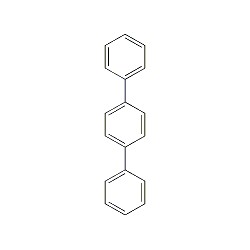 | 67918692-94-4 | 1×100 mg | Bitte anmelden | |
ISO 17034 Certified Reference Material o-TerphenylKonzentration: 1000 µg/ml Lösungsmittel: Acetone | 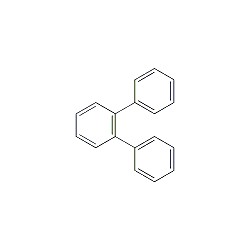 | 68157784-15-1 | 1×1 ml | auf Anfrage | |
ISO 17034 Certified Reference Material o-TerphenylKonzentration: 100 µg/ml Lösungsmittel: Acetone | 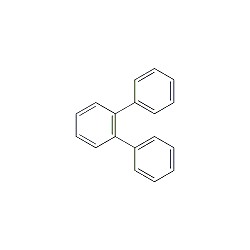 | 68157884-15-1 | 1×5 ml | auf Anfrage | |
ISO 17034 Reference Material m-Terphenyl | 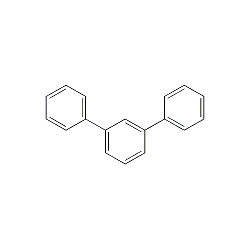 | 68270892-06-8 | 1×100 mg | Bitte anmelden | |
ISO 17034 Reference Material D14-p-Terphenyl | 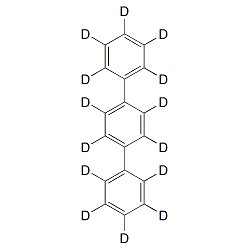 | 6830571718-51-0 | 1×10 mg | Bitte anmelden | |
ISO 17034 Certified Reference Material D14-p-TerphenylKonzentration: 100 µg/ml Lösungsmittel: Acetone | 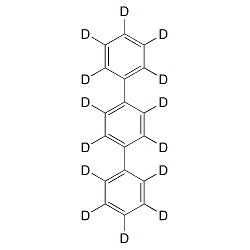 | 6878611718-51-0 | 1×5 ml | Bitte anmelden | |
ISO 17034 Reference Material o-Terphenyl | 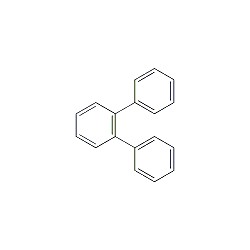 | 69320984-15-1 | 1×100 mg | auf Anfrage | |
Terphenyl
High-purity reference materials for accurate and reliable residue analysis in food and environmental monitoring.
Overview
Terphenyls are a group of closely related aromatic hydrocarbons, also known as diphenylbenzenes or triphenyls. They consist of a central benzene ring substituted with two phenyl groups. There are three substitution patterns: ortho-terphenyl, meta-terphenyl, and para-terphenyl. Commercial grade terphenyl is generally a mixture of the three isomers.
Uses
Terphenyls are used in the production of polychlorinated terphenyls, which were formerly utilized as heat storage and transfer agents. Additionally, p-terphenyl derivatives are found in various fungi and bacteria, such as atromentin, a pigment found in some mushrooms.
Regulatory
Terphenyls are subject to various regulations due to their potential environmental and health impacts. Compliance with international quality requirements is essential for laboratories conducting residue analysis.
Monitoring
Accurate monitoring of terphenyls in food and the environment is critical to ensure compliance with regulatory limits. High-purity reference materials are essential for reliable residue analysis.
Health Impact
Human Toxicity
Terphenyls can cause skin and eye irritation, and inhalation may lead to respiratory issues. The permissible exposure limit (PEL) is set at 9 mg/m3 (1 ppm).
Environmental Impact
Effects on Wildlife
Terphenyls can have detrimental effects on aquatic life and other wildlife. Proper disposal and handling are crucial to minimize environmental contamination.
Safety Measure
Handling terphenyls requires appropriate safety measures, including the use of personal protective equipment (PPE) and adherence to precautionary statements such as P261, P264, P271, and P280.
Regulation
Terphenyls are regulated under various international guidelines to ensure safe use and minimize environmental and health risks. Laboratories must comply with these regulations when conducting residue analysis.
Analytical Standards
HPC Standards GmbH provides high-purity reference materials for terphenyls, ensuring accurate and reliable residue analysis. Our products meet the highest industrial standards and are tested according to international quality requirements.