
Triclosan
High-Purity Triclosan Reference Materials for Accurate Residue Analysis
Ensure precision in your residue analysis with HPC Standards GmbH's high-purity Triclosan reference materials. Our products meet international quality requirements and the highest industrial standards, making them essential for laboratories focused on food and environmental analysis. Trust HPC Standards for reliable and compliant results.
Filter
| Produkt | Bild | Artikelnummer/ CAS-Nr. | Füllmenge | Preis |
|---|---|---|---|---|
ISO 17034 Reference Material Triclosan | 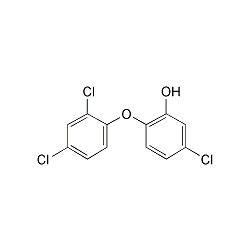 | 6745653380-34-5 | 1×250 mg | Bitte anmelden |
ISO 17034 Certified Reference Material D3-TriclosanKonzentration: 100 µg/ml Lösungsmittel: Acetonitrile | 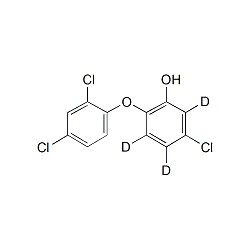 | 6757351020719-98-5 | 1×1 ml | Bitte anmelden |
ISO 17034 Certified Reference Material TriclosanKonzentration: 100 µg/ml Lösungsmittel: Acetone | 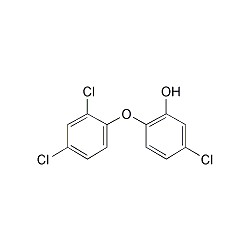 | 6774753380-34-5 | 1×1 ml | Bitte anmelden |
Triclosan
High-purity reference materials for reliable residue analysis.
Overview
Triclosan, also known as 5-Chloro-2-(2,4-dichlorophenoxy)phenol, is an antibacterial and antifungal agent used in various consumer products. It was developed in 1966 and is similar in its uses and mechanism of action to triclocarban.
Uses
Triclosan has been used in a wide range of products including toothpaste, soaps, detergents, toys, and surgical cleaning treatments. It was registered as a pesticide in 1969 and is used in commercial, institutional, and industrial equipment to slow or stop the growth of bacteria, fungi, and mildew.
Regulatory
Triclosan is regulated as a pesticide by the EPA and as a drug by the FDA in the US. It has been banned in some applications due to health and environmental concerns. The FDA ruled in 2016 that triclosan is not generally recognized as safe and effective for use in over-the-counter consumer antiseptic products.
Monitoring
Triclosan has been detected in various environmental samples, including water bodies and soil, indicating its widespread use and persistence in the environment.
Health Impact
Human Toxicity
Triclosan is absorbed through the skin and oral ingestion. It has been associated with endocrine disruption, allergic reactions, and antimicrobial resistance. Studies have shown its presence in human breast milk, blood, and urine samples.
Environmental Impact
Effects on Wildlife
Triclosan is toxic to aquatic bacteria, algae, and other organisms. It has been found in various species, including fish and dolphins, and poses a risk to marine ecosystems due to its persistence and bioaccumulation potential.
Safety Measures
Proper handling and disposal of triclosan-containing products are essential to minimize environmental contamination. Use of alternative antimicrobial agents is recommended to reduce potential health risks.
Regulation
Triclosan is subject to various regulations globally. In the US, it is regulated by the EPA and FDA. In the European Union, its use in biocidal products and cosmetics is restricted.
Analytical Standards
HPC Standards GmbH provides high-purity reference materials for triclosan, ensuring accurate and reliable residue analysis. Our products meet international quality requirements and the highest industrial standards, essential for food and environmental analysis laboratories to ensure compliance with regulatory limits.