

Vanillin
High-Purity Vanillin Reference Materials for Precise Residue Analysis
Ensure the accuracy and reliability of your food and environmental analyses with our high-purity vanillin reference materials. Tested to meet stringent international quality standards, our products are essential for laboratories aiming to comply with regulatory limits. Trust HPC Standards GmbH for your analytical needs in the food and environmental sectors.
Filter
| Produkt | Bild | Artikelnummer/ CAS-Nr. | Füllmenge | Preis | |
|---|---|---|---|---|---|
ISO 17034 Reference Material o-Vanillin | 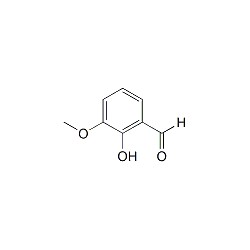 | 683540148-53-8 | 1×1000 mg | auf Anfrage | |
| Vanillin | 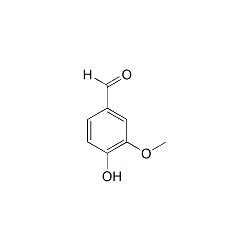 | 684678121-33-5 | 1×100 mg | Bitte anmelden | |
ISO 17034 Reference Material D3-Vanillin | 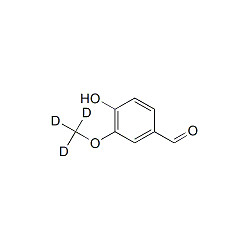 | 69041574495-74-2 | 1×10 mg | Bitte anmelden | |
ISO 17034 Certified Reference Material D3-VanillinKonzentration: 100 µg/ml Lösungsmittel: Acetonitrile | 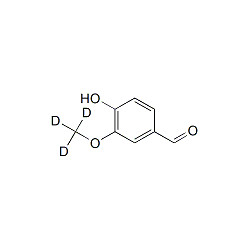 | 69045174495-74-2 | 1×1 ml | auf Anfrage | |
Vanillin Reference Materials
High-purity vanillin reference materials for accurate residue analysis in food and environmental samples.
Overview
Vanillin is an organic compound with the molecular formula C8H8O3. It is a phenolic aldehyde and the primary component of the extract of the vanilla bean. Synthetic vanillin is widely used as a flavoring agent in foods, beverages, and pharmaceuticals.
Uses
Vanillin is primarily used as a flavoring agent in the food industry, especially in ice cream, chocolate, confections, and baked goods. It is also utilized in the fragrance industry, pharmaceuticals, and as a chemical intermediate in the production of fine chemicals.
Regulatory
Vanillin must comply with various international regulations regarding its purity and use in food and pharmaceuticals. Our reference materials meet these stringent quality requirements, ensuring reliable and accurate analysis.
Monitoring
Regular monitoring of vanillin levels in food and environmental samples is essential to ensure compliance with regulatory standards. Our high-purity reference materials provide the accuracy needed for such analyses.
Health Impact
Vanillin is generally considered safe for consumption. However, some individuals may experience allergic reactions or migraine headaches triggered by vanillin.
Human Toxicity
Vanillin is not highly toxic but can cause allergic reactions in some individuals. It is important to handle it with care to avoid exposure to sensitive populations.
Environmental Impact
Vanillin can be synthesized from various sources, including petrochemicals, lignin, and ferulic acid from rice bran. The environmental impact varies depending on the synthesis method.
Effects on Wildlife
There is limited information on the specific effects of vanillin on wildlife. However, its production and disposal should be managed to minimize environmental impact.
Safety Measures
Proper handling and storage of vanillin are essential to ensure safety. Use personal protective equipment (PPE) and follow safety guidelines to prevent exposure.
Regulation
Vanillin is regulated by various food safety authorities, including the FDA and EFSA. Compliance with these regulations ensures the safety and quality of vanillin used in food and pharmaceuticals.
Analytical Standards
Our vanillin reference materials are tested according to international quality requirements and meet the highest industrial standards. They are essential for laboratories conducting food and environmental analysis to ensure compliance with regulatory limits.