

Abamectin
Unlock Precision in Residue Analysis with Abamectin Reference Materials
Ensure your laboratory's compliance with regulatory limits using HPC Standards GmbH's high-purity Abamectin reference materials. Our products are meticulously tested to meet international quality requirements, providing you with the accuracy and reliability needed for food and environmental analysis. Partner with us for unparalleled expertise in pesticide residue analysis.
Filter
| Product | Image | Catalog No./ CAS No. | Quantity | Price |
|---|---|---|---|---|
ISO 17034 Reference Material Abamectin | 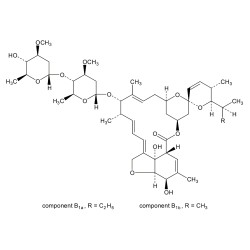 | 67289671751-41-2 | 1×100 mg | Please log in |
ISO 17034 Certified Reference Material AbamectinConcentration: 100 µg/ml Solvent: Acetonitrile | 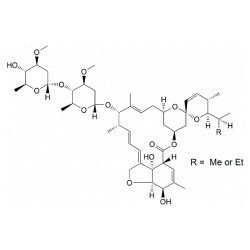 | 67318271751-41-2 | 1×5 ml | Please log in |
Abamectin Reference Materials
High-quality reference materials for precise residue analysis of Abamectin.
Overview
Abamectin, also known as Avermectin B1, is a widely used insecticide and anthelmintic. It is a natural fermentation product of the soil-dwelling actinomycete Streptomyces avermitilis. Abamectin consists of a mixture of B1a (~80%) and B1b (~20%) forms.
Uses
Abamectin is used in agriculture to control a variety of pests, including insects and mites. It is also used as an anthelmintic in veterinary medicine, particularly for deworming horses. Additionally, it has applications in controlling fire ants and is being studied for potential anti-inflammatory and anti-alcohol therapies.
Regulatory
Abamectin is regulated under various legal statuses depending on the country. For example, in Australia, it is classified under S5 (Caution) and S6 categories. It is essential for laboratories to ensure compliance with these regulatory limits when conducting residue analysis.
Monitoring
Monitoring the levels of Abamectin residues in food and environmental samples is crucial for ensuring compliance with safety standards. Laboratories use high-purity reference materials to achieve accurate and reliable results.
Health Impact
Human Toxicity
Abamectin has a low affinity for mammalian ligand-gated channels and does not usually cross the blood-brain barrier, making it relatively safe for humans. However, exposure should still be minimized to prevent any potential adverse effects.
Environmental Impact
Effects on Wildlife
Abamectin is highly toxic to bees if they consume or come into direct contact with it. However, plant parts exposed to Abamectin spraying did not cause toxicity to bees 24 hours after treatment due to its rapid degradation on plant surfaces.
Safety Measures
Proper handling and application of Abamectin are essential to minimize risks to human health and the environment. Protective equipment should be used, and guidelines for safe usage should be strictly followed.
Analytical Standards
HPC Standards GmbH provides high-purity reference materials for Abamectin, ensuring accurate and reliable residue analysis. Our products meet international quality requirements and the highest industrial standards, making them essential for laboratories conducting food and environmental analysis.