


Carnidazole
High-Purity Carnidazole Reference Materials for Accurate Veterinary Residue Analysis
Elevate your laboratory's precision with HPC Standards GmbH's high-purity Carnidazole reference materials. Designed for accurate residue analysis in veterinary applications, our products meet the highest international quality standards. Ensure compliance with regulatory limits and maintain the health and safety of treated animals with our reliable reference materials. Trust HPC Standards GmbH as your competent partner in food and environmental analysis.
Filter
| Product | Image | Catalog No./ CAS No. | Quantity | Price |
|---|---|---|---|---|
ISO 17034 Reference Material Carnidazole | 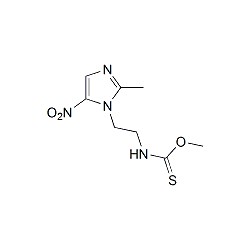 | 68809142116-76-7 | 1×25 mg | Please log in |
ISO 17034 Certified Reference Material CarnidazoleConcentration: 100 µg/ml Solvent: Acetonitrile | 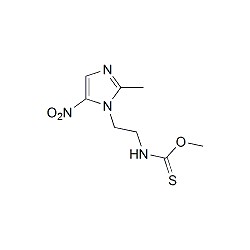 | 69082142116-76-7 | 1×1 ml | Please log in |
ISO 17034 Reference Material D3-Carnidazole |  | 691975 | 1×10 mg | Please log in |
ISO 17034 Certified Reference Material D3-CarnidazoleConcentration: 100 µg/ml Solvent: Acetonitrile |  | 691976 | 1×1 ml | Please log in |
Carnidazole Reference Materials
High-purity reference materials for accurate residue analysis in veterinary applications.
Overview
Carnidazole is an antiprotozoal drug of the nitroimidazole class, primarily used in veterinary medicine to treat Trichomonas infection in pigeons. It is known under trade names such as Spartrix, Pantrix, and Gambamix.
Uses
Carnidazole is administered orally and is specifically utilized to combat protozoal infections in avian species. Its primary application is in the treatment of Trichomonas, a parasitic disease affecting pigeons.
Regulatory
Carnidazole is regulated under various international guidelines to ensure its safe and effective use in veterinary medicine. The ATCvet code for Carnidazole is QP51CA03, as recognized by the World Health Organization (WHO).
Monitoring
Regular monitoring of Carnidazole residue levels is essential to ensure compliance with regulatory limits and to maintain the health and safety of treated animals. Laboratories conducting residue analysis rely on high-purity reference materials to achieve accurate results.
Health Impact
Human Toxicity
While Carnidazole is primarily used in veterinary medicine, it is crucial to handle it with care to avoid potential human toxicity. Appropriate safety measures should be followed during its handling and administration.
Environmental Impact
Effects on Wildlife
Carnidazole can have environmental implications if not properly managed. It is important to assess its impact on non-target wildlife species and take necessary precautions to mitigate any adverse effects.
Safety Measures
Proper safety measures should be implemented when handling Carnidazole to prevent accidental exposure and environmental contamination. This includes using protective equipment and following established protocols for its administration and disposal.
Regulation
Carnidazole is subject to stringent regulations to ensure its safe use in veterinary practices. Compliance with these regulations is mandatory to avoid legal and health-related consequences.
Analytical Standards
HPC Standards GmbH provides high-purity reference materials for Carnidazole, tested according to international quality requirements. These reference materials are essential for laboratories conducting food and environmental analysis to ensure compliance with regulatory limits.