

Chloronaphthalene
Unlock Precision with High-Purity Chloronaphthalene Reference Materials
Ensure accurate and reliable residue analysis in food and environmental samples with our high-purity Chloronaphthalene reference materials. Tested to meet international quality standards, these materials are essential for laboratories aiming to comply with regulatory limits and achieve precise results. Partner with HPC Standards GmbH for unparalleled expertise in analytical standards.
Filter
| Product | Image | Catalog No./ CAS No. | Quantity | Price |
|---|---|---|---|---|
ISO 17034 Certified Reference Material 2-ChloronaphthaleneConcentration: 10.0 µg/ml Solvent: Acetonitrile | 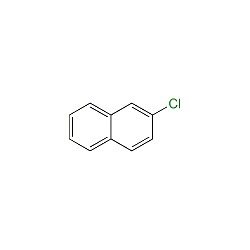 | 68372191-58-7 | 1×10 ml | Please log in |
| 2-Chloronaphthalene | 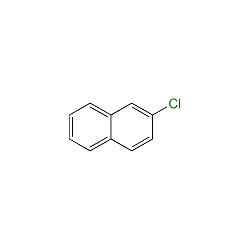 | 69162191-58-7 | 1×100 mg | Please log in |
ISO 17034 Certified Reference Material 2-ChloronaphthaleneConcentration: 100 µg/ml Solvent: Acetonitrile | 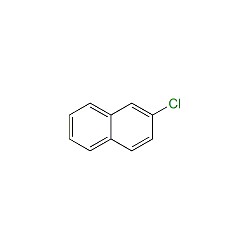 | 69173791-58-7 | 1×1 ml | Please log in |
| 1-Chloronaphthalene | 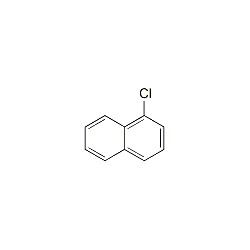 | 69222090-13-1 | 1×100 mg | Please log in |
Chloronaphthalene Reference Materials
High-purity reference materials for accurate and reliable residue analysis in food and environmental samples.
Overview
Chloronaphthalene is a chlorinated derivative of naphthalene, commonly used in various industrial applications. It exists in multiple isomeric forms, with varying degrees of chlorination.
Uses
Chloronaphthalene is used in the production of insulating materials, lubricants, and as a chemical intermediate. It is also found in some pesticides and wood preservatives.
Regulatory
Regulations concerning chloronaphthalene vary by country and application. It is essential for laboratories to adhere to these regulations to ensure compliance with safety and environmental standards.
Monitoring
Regular monitoring of chloronaphthalene levels in environmental and food samples is crucial. Our high-purity reference materials support accurate detection and quantification.
Health Impact
Human Toxicity
Exposure to chloronaphthalene can lead to various health issues, including skin irritation, respiratory problems, and potential long-term effects on the liver and kidneys.
Environmental Impact
Effects on Wildlife
Chloronaphthalene can be harmful to wildlife, particularly aquatic organisms. It can accumulate in the environment, leading to long-term ecological damage.
Safety Measures
Proper handling and disposal of chloronaphthalene are essential to minimize health risks and environmental contamination. Use appropriate personal protective equipment (PPE) and follow safety guidelines.
Regulation
Compliance with international and local regulations is mandatory for the use and disposal of chloronaphthalene. Laboratories must stay updated on regulatory changes to ensure adherence.
Analytical Standards
HPC Standards GmbH provides high-purity reference materials for chloronaphthalene, tested according to international quality requirements. These materials are essential for laboratories conducting precise residue analysis in food and environmental samples.