

Cholecalciferol
Ensure Accurate Residue Analysis with High-Purity Cholecalciferol Reference Materials
Our high-purity Cholecalciferol reference materials are essential for laboratories conducting food and environmental analysis. Tested to meet international quality requirements, these standards ensure compliance with regulatory limits, providing reliable and accurate results. Partner with HPC Standards GmbH for your analytical needs in pesticide, veterinary product, and metabolite testing.
Filter
| Product | Image | Catalog No./ CAS No. | Quantity | Price |
|---|---|---|---|---|
| Cholecalciferol | 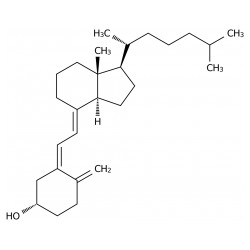 | 67312267-97-0 | 1×100 mg | Please log in |
ISO 17034 Certified Reference Material D3-CholecalciferolConcentration: 100 µg/ml Solvent: Ethanol | 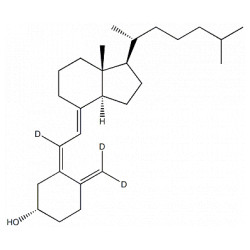 | 69024580666-48-4 | 1×1 ml | Please log in |
ISO 17034 Certified Reference Material CholecalciferolConcentration: 100 µg/ml Solvent: Ethanol | 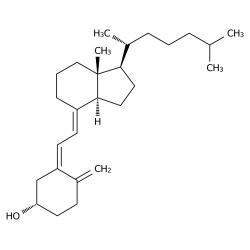 | 69226067-97-0 | 1×1 ml | Please log in |
Cholecalciferol
High-purity reference materials for accurate and reliable residue analysis.
Overview
Cholecalciferol, also known as vitamin D3, is a type of vitamin D that is synthesized by the skin upon exposure to UV-B light. It is also found in certain foods and can be taken as a dietary supplement. Cholecalciferol is crucial for maintaining calcium levels and promoting bone health and development.
Our high-purity reference materials for Cholecalciferol are essential for laboratories conducting food and environmental analysis to ensure compliance with regulatory limits.
Uses
Cholecalciferol is used to prevent and treat vitamin D deficiency. It is also used in the treatment of conditions such as rickets, familial hypophosphatemia, hypoparathyroidism, and Fanconi syndrome. Additionally, it is used in creams for psoriasis and in UVB phototherapy.
Regulatory
Cholecalciferol is available both as a prescription medication and over the counter. It is listed on the World Health Organization's List of Essential Medicines. The recommended dietary reference intake values for vitamin D vary by country, with specific guidelines for different age groups and conditions.
Monitoring
Monitoring of Cholecalciferol levels is essential for individuals at risk of deficiency, including those with limited sun exposure, the elderly, and people with darker skin. Regular testing ensures that supplementation is effective and safe.
Health Impact
Human Toxicity
Excessive doses of Cholecalciferol can lead to toxicity, resulting in symptoms such as vomiting, constipation, weakness, and confusion. High doses can also cause kidney stones and high blood calcium levels. However, normal doses are generally safe, even during pregnancy.
Environmental Impact
Effects on Wildlife
Cholecalciferol is not typically associated with significant environmental impact when used as a dietary supplement or medication. However, it is essential to follow proper disposal guidelines to prevent any potential environmental contamination.
Safety Measures
Proper dosing and monitoring are crucial to prevent toxicity. Individuals with severe kidney disease should use Cholecalciferol with caution, as standard vitamin D supplements may not be effective.
Regulation
Cholecalciferol is regulated by various health authorities, including the FDA and EMA. It is available as a generic medication and over the counter, with specific legal statuses depending on the country.
Analytical Standards
Our reference materials for Cholecalciferol are tested according to international quality requirements and meet the highest industrial standards. These materials ensure accurate and reliable residue analysis, vital for compliance with regulatory limits in food and environmental testing.