


Chrysene
High-Purity Chrysene for Accurate Residue Analysis
Ensure precise and reliable residue analysis in food and environmental samples with our high-purity Chrysene reference materials. HPC Standards GmbH offers top-quality analytical standards that meet international requirements, essential for laboratories to comply with regulatory limits. Trust our expertise in providing the highest industrial standards for your critical analyses.
Filter
| Product | Image | Catalog No./ CAS No. | Quantity | Price |
|---|---|---|---|---|
| Chrysene | 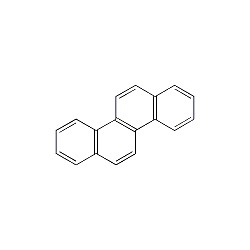 | 677533218-01-9 | 1×25 mg | Please log in |
ISO 17034 Certified Reference Material ChryseneConcentration: 100 µg/ml Solvent: Acetonitrile | 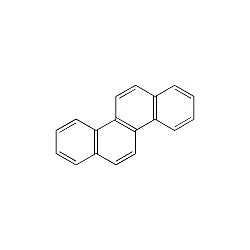 | 680367218-01-9 | 1×1 ml | Please log in |
ISO 17034 Certified Reference Material D12-ChryseneConcentration: 100 µg/ml Solvent: Acetonitrile | 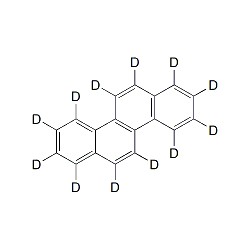 | 6852821719-03-5 | 1×1 ml | Please log in |
ISO 17034 Certified Reference Material ChryseneConcentration: 100 µg/ml Solvent: Cyclohexane | 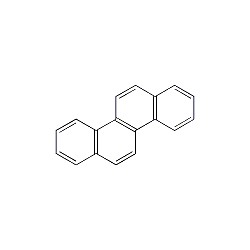 | 689862218-01-9 | 1×5 ml | Please log in |
Chrysene
High-purity reference materials for accurate residue analysis in food and environmental samples.
Overview
Chrysene is a polycyclic aromatic hydrocarbon (PAH) with the molecular formula C18H12. It consists of four fused benzene rings and is a natural constituent of coal tar. High-purity chrysene is colorless, although it may appear yellow due to traces of its isomer, tetracene.
Uses
Chrysene is primarily used in scientific research and residue analysis. It is a significant compound for laboratories conducting food and environmental analysis to ensure compliance with regulatory limits.
Regulatory
Chrysene is classified as a Group 2B carcinogen by the International Agency for Research on Cancer (IARC), indicating it is possibly carcinogenic to humans. Regulatory bodies require strict monitoring of chrysene levels in various environments to protect public health.
Monitoring
Monitoring chrysene levels is essential in environmental and food safety analysis. Laboratories use high-purity reference materials to ensure accurate and reliable measurements, adhering to international quality standards.
Health Impact
Chrysene is suspected to be a human carcinogen. Evidence suggests it causes cancer in laboratory animals, although it is often contaminated with more strongly carcinogenic compounds. Chrysene is estimated to have about 1% of the toxicity of benzo(a)pyrene.
Environmental Impact
Chrysene is found in coal tar, creosote, and tobacco smoke. Its presence in the environment is a concern due to its potential carcinogenic effects. Monitoring and controlling chrysene levels are crucial to minimize its impact on the environment.
Safety Measure
Handling chrysene requires strict safety measures due to its carcinogenic potential. Laboratories must follow appropriate safety protocols, including the use of personal protective equipment (PPE) and proper ventilation systems.
Analytical Standards
HPC Standards GmbH provides high-purity reference materials for chrysene, ensuring accurate and reliable residue analysis. Our products meet the highest industrial standards and are essential for laboratories conducting food and environmental analysis to ensure compliance with regulatory limits.