


Cinoxacin
Unlock Precision with High-Purity Cinoxacin Reference Materials
Ensure your laboratory's residue analysis is both accurate and reliable with HPC Standards GmbH's high-purity Cinoxacin reference materials. Despite its discontinuation in the U.K. and U.S., Cinoxacin remains crucial for analytical and regulatory purposes. Our products meet the highest industrial standards, essential for food and environmental analysis, ensuring compliance with regulatory limits. Partner with us for unparalleled quality and expertise in your analytical needs.
Filter
| Product | Image | Catalog No./ CAS No. | Quantity | Price | |
|---|---|---|---|---|---|
| Cinoxacin | 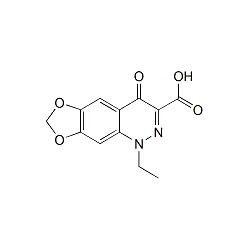 | 67585828657-80-9 | 1×100 mg | Please log in | |
ISO 17034 Reference Material D5-Cinoxacin | 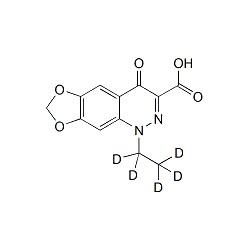 | 6795612732985-25-8 | 1×10 mg | on request | |
ISO 17034 Certified Reference Material D5-CinoxacinConcentration: 100 µg/ml Solvent: Acetonitrile | 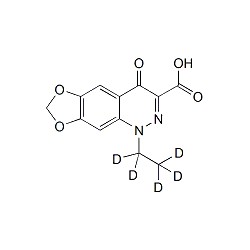 | 6927022732985-25-8 | 1×1 ml | on request | |
ISO 17034 Certified Reference Material CinoxacinConcentration: 100 µg/ml Solvent: Acetonitrile | 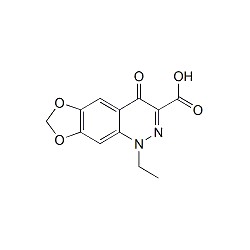 | 69366528657-80-9 | 1×5 ml | Please log in | |
Cinoxacin Reference Materials
High-purity reference materials for accurate and reliable residue analysis of Cinoxacin.
Overview
Cinoxacin is a quinolone antibiotic that was commonly used to treat urinary tract infections in adults. It is chemically related to oxolinic acid and nalidixic acid.
Although it has been discontinued in the U.K. and the U.S., it remains a topic of interest for analytical and regulatory purposes.
Uses
Cinoxacin was primarily used to treat urinary tract infections and bacterial prostatitis in both humans and dogs. However, its veterinary use was never approved by the FDA.
Regulatory
The marketing authorization of cinoxacin has been suspended throughout the EU. It was discontinued in the U.K. and the U.S.
Monitoring
Monitoring for cinoxacin residues is essential to ensure compliance with regulatory limits, especially in food and environmental analysis.
Health Impact
Human Toxicity
Adverse reactions to cinoxacin are generally limited to the gastrointestinal and central nervous systems. Hypersensitivity reactions, including anaphylaxis, have been reported.
Overdose symptoms may include anorexia, nausea, vomiting, epigastric distress, and diarrhea.
Environmental Impact
Effects on Wildlife
There is limited information on the environmental impact of cinoxacin, but its presence in water sources could potentially affect aquatic life.
Safety Measures
Patients who have ingested an overdose of cinoxacin should be kept well hydrated to prevent crystalluria. Forced diuresis, peritoneal dialysis, hemodialysis, or charcoal hemoperfusion have not been established as beneficial for an overdose of cinoxacin.
Regulation
Cinoxacin was discontinued in the U.K. and the U.S., and its marketing authorization has been suspended throughout the EU.
Analytical Standards
HPC Standards GmbH provides high-purity reference materials for cinoxacin, ensuring accurate and reliable residue analysis. Our products meet the highest industrial standards and are essential for laboratories conducting food and environmental analysis.