


DDT
Ensure Accurate DDT Residue Analysis with High-Purity Reference Materials
High-purity reference materials for DDT are essential for laboratories conducting food and environmental analysis to ensure compliance with regulatory limits. Our DDT reference materials guarantee accurate and reliable residue analysis, helping you meet the highest industrial standards. Trust HPC Standards GmbH for your analytical needs in food and environmental safety.
Filter
| Product | Image | Catalog No./ CAS No. | Quantity | Price |
|---|---|---|---|---|
ISO 17034 Certified Reference Material 2,4'-DDTConcentration: 100 µg/ml Solvent: Ethyl acetate | 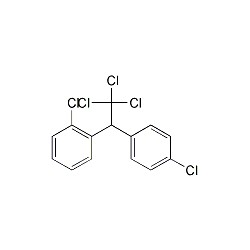 | 673536789-02-6 | 1×5 ml | Please log in |
ISO 17034 Certified Reference Material 4,4'-DDTConcentration: 100 µg/ml Solvent: Ethyl acetate | 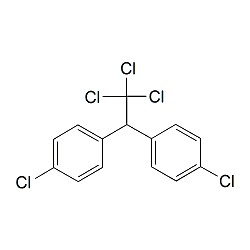 | 67353850-29-3 | 1×5 ml | Please log in |
ISO 17034 Reference Material 4,4'-DDT | 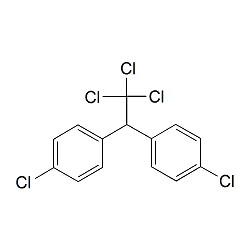 | 67415950-29-3 | 1×100 mg | Please log in |
ISO 17034 Reference Material D8-4,4'-DDT | 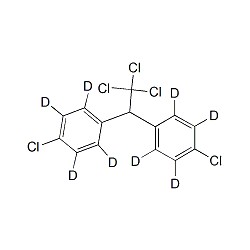 | 67492193952-18-2 | 1×10 mg | Please log in |
ISO 17034 Certified Reference Material D8-4,4'-DDTConcentration: 100 µg/ml Solvent: Acetone | 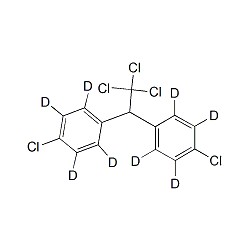 | 67659493952-18-2 | 1×1 ml | Please log in |
ISO 17034 Certified Reference Material 2,4'-DDTConcentration: 100 µg/ml Solvent: Acetonitrile | 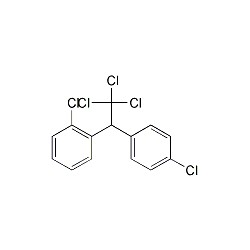 | 678381789-02-6 | 1×5 ml | Please log in |
ISO 17034 Certified Reference Material 4,4'-DDTConcentration: 100 µg/ml Solvent: Acetonitrile | 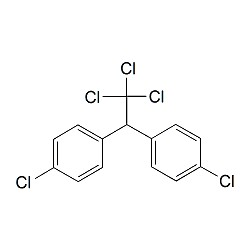 | 67838250-29-3 | 1×5 ml | Please log in |
ISO 17034 Certified Reference Material 2,4'-DDTConcentration: 100 µg/ml Solvent: Methanol | 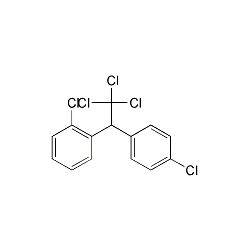 | 679460789-02-6 | 1×1 ml | Please log in |
ISO 17034 Certified Reference Material 4,4'-DDTConcentration: 100 µg/ml Solvent: Methanol | 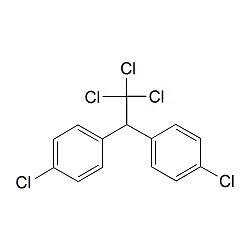 | 67946150-29-3 | 1×1 ml | Please log in |
ISO 17034 Certified Reference Material 4,4'-DDTConcentration: 100 µg/ml Solvent: Cyclohexane | 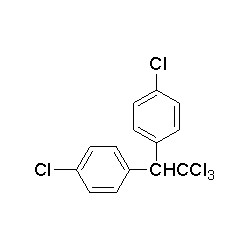 | 68439050-29-3 | 1×1 ml | Please log in |
| D8-2,4'-DDT | 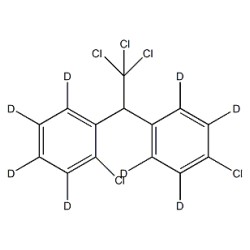 | 685905221899-88-3 | 1×5 mg | Please log in |
ISO 17034 Certified Reference Material D8-2,4'-DDTConcentration: 100 µg/ml Solvent: Acetone | 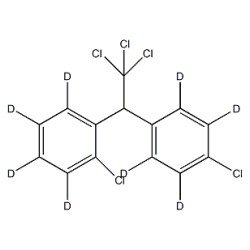 | 685906221899-88-3 | 1×1 ml | Please log in |
ISO 17034 Certified Reference Material 4,4'-DDTConcentration: 10.0 µg/ml Solvent: Acetonitrile | 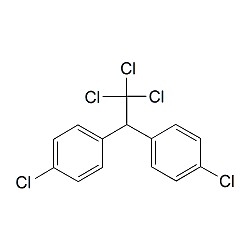 | 68788150-29-3 | 1×10 ml | Please log in |
ISO 17034 Certified Reference Material 2,4'-DDTConcentration: 10.0 µg/ml Solvent: Acetonitrile | 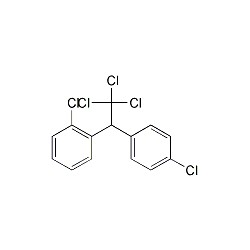 | 687883789-02-6 | 1×10 ml | Please log in |
ISO 17034 Certified Reference Material 4,4'-DDT | 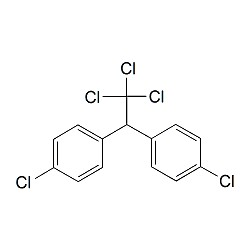 | 69184150-29-3 | 1×50 mg | Please log in |
DDT Reference Materials
High-purity reference materials for DDT, ensuring accurate and reliable residue analysis. Essential for laboratories conducting food and environmental analysis to ensure compliance with regulatory limits.
Overview
DDT (Dichlorodiphenyltrichloroethane) is a colorless, tasteless, and almost odorless crystalline chemical compound known for its insecticidal properties. It was first synthesized in 1874 and became widely used during World War II to control insect-borne diseases.
Uses
DDT was extensively used in agriculture and for public health purposes to control malaria and typhus. It is still used in some countries for disease vector control, particularly in malaria-prone regions.
Regulatory
DDT use is highly regulated due to its environmental and health impacts. A worldwide ban on agricultural use was formalized under the Stockholm Convention on Persistent Organic Pollutants, effective since 2004. However, it is still permitted for public health use under specific guidelines.
Monitoring
Monitoring DDT residues in the environment and food products is crucial for ensuring compliance with regulatory limits. High-purity reference materials are essential for accurate residue analysis.
Health Impact
DDT is classified as "moderately toxic" and is considered a probable human carcinogen. It is an endocrine disruptor and has been associated with various health issues, including reproductive and developmental effects.
Human Toxicity
Chronic exposure to DDT can affect reproductive capabilities and may cause preterm birth, early weaning, and other endocrine-disrupting effects. It is also associated with an increased risk of certain cancers.
Environmental Impact
DDT is a persistent organic pollutant that bioaccumulates in the food chain, particularly affecting predatory birds. It has caused significant environmental damage, including eggshell thinning in birds of prey.
Effects on Wildlife
DDT and its metabolites have been shown to cause eggshell thinning and population declines in multiple bird species. It is toxic to a wide range of marine and terrestrial organisms.
Safety Measures
Handling DDT requires strict safety measures to prevent exposure. Personal protective equipment (PPE) and proper disposal methods are essential to minimize risks to human health and the environment.
Regulation
DDT is regulated under various international agreements, including the Stockholm Convention. Its use is restricted to specific public health applications, and its production and use are monitored to prevent illegal agricultural use.
Analytical Standards
High-purity reference materials for DDT are essential for laboratories conducting residue analysis. These materials ensure accurate and reliable results, helping laboratories comply with regulatory standards and protect public health and the environment.
```