

Decanol
Decanol Reference Materials: High-Purity Standards for Accurate Residue Analysis
Ensure precision in your food and environmental residue analysis with HPC Standards GmbH's high-purity Decanol reference materials. Our products meet international quality requirements and the highest industrial standards, making them indispensable for laboratories committed to regulatory compliance and reliable results.
Filter
| Product | Image | Catalog No./ CAS No. | Quantity | Price | |
|---|---|---|---|---|---|
ISO 17034 Reference Material 1-Decanol | 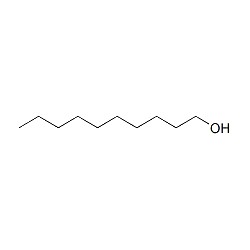 | 678077112-30-1 | 1×1 ml | Please log in | |
ISO 17034 Reference Material 2-Decanol | 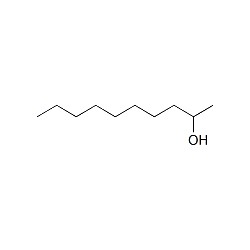 | 6831981120-06-5 | 1×1000 mg | on request | |
ISO 17034 Reference Material 4-Decanol | 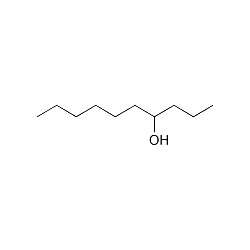 | 6831992051-31-2 | 1×1000 mg | Please log in | |
ISO 17034 Certified Reference Material 1-Decanol | 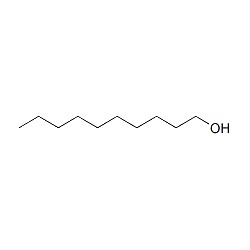 | 694618112-30-1 | 1×1 ml | Please log in | |
Decanol Reference Materials
High-purity reference materials for accurate and reliable residue analysis in food and environmental laboratories.
Overview
Decanol, also known as decyl alcohol or capric alcohol, is a straight-chain fatty alcohol with ten carbon atoms and the molecular formula C10H21OH. It is a colorless to light yellow viscous liquid that is insoluble in water and has an aromatic odor. Decanol is used in various industrial applications including the manufacture of plasticizers, lubricants, surfactants, and solvents.
Uses
Decanol is utilized in the production of plasticizers, lubricants, surfactants, and solvents. It is also investigated as a penetration enhancer for transdermal drug delivery due to its ability to permeate the skin.
Regulatory
Decanol is subject to regulatory standards to ensure its safe use in industrial applications. Laboratories must comply with these standards when conducting residue analysis.
Monitoring
Monitoring decanol levels in various environments is crucial for ensuring compliance with safety and regulatory standards. Accurate measurement is essential for maintaining industrial and environmental safety.
Health Impact
Human Toxicity
Decanol can permeate the skin, leading to irritation. Proper safety measures should be taken to avoid direct contact.
Environmental Impact
Effects on Wildlife
Decanol's environmental impact includes potential effects on wildlife, particularly in aquatic environments where it may accumulate.
Safety Measure
Appropriate safety measures should be implemented when handling decanol to prevent skin irritation and other potential hazards. Use of personal protective equipment (PPE) is recommended.
Regulation
Regulatory guidelines for the use of decanol in various industries ensure that it is handled and disposed of safely to minimize environmental and health risks.
Analytical Standards
HPC Standards GmbH provides high-purity reference materials for decanol, ensuring accurate and reliable residue analysis. Our products meet international quality requirements and the highest industrial standards, making them essential for laboratories conducting food and environmental analysis.