

Demeton-S-methyl-sulfoxide
Ensure Accurate Residue Analysis with High-Purity Demeton-S-methyl-sulfoxide Reference Materials
Demeton-S-methyl-sulfoxide is a crucial compound for residue analysis in food and environmental samples. As a metabolite of the organophosphorus insecticide Demeton-S-methyl, its presence must be accurately monitored to comply with regulatory limits. HPC Standards GmbH offers high-purity reference materials for Demeton-S-methyl-sulfoxide, tested to meet international quality requirements and the highest industrial standards. Our products support laboratories in achieving precise and reliable results, essential for safeguarding public health and the environment.
Filter
| Product | Image | Catalog No./ CAS No. | Quantity | Price |
|---|---|---|---|---|
ISO 17034 Certified Reference Material Demeton-S-methyl-sulfoxideConcentration: 10.0 µg/ml Solvent: Acetonitrile | 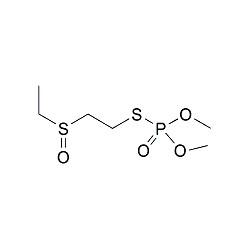 | 673250301-12-2 | 1×10 ml | Please log in |
ISO 17034 Certified Reference Material Demeton-S-methyl-sulfoxideConcentration: 100 µg/ml Solvent: Acetonitrile | 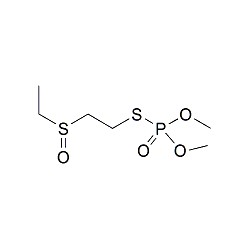 | 673251301-12-2 | 1×5 ml | Please log in |
Demeton-S-methyl-sulfoxide
High-purity reference materials for accurate residue analysis in food and environmental samples.
Overview
Demeton-S-methyl-sulfoxide is a chemical compound used primarily as a pesticide. It is a metabolite of Demeton-S-methyl, an organophosphorus insecticide. This compound is significant in residue analysis due to its potential presence in food and environmental samples.
Uses
Demeton-S-methyl-sulfoxide is mainly used in agricultural settings as a pesticide. It helps in controlling a variety of pests that affect crops, ensuring higher yield and quality of produce.
It is also used in research and analytical laboratories for the purpose of studying pesticide residues and their impacts.
Regulatory
Regulatory bodies have set specific limits for the presence of Demeton-S-methyl-sulfoxide in food and environmental samples. Compliance with these limits is crucial for ensuring public health and safety.
Our reference materials for Demeton-S-methyl-sulfoxide are tested according to international quality requirements and meet the highest industrial standards, aiding laboratories in meeting regulatory compliance.
Monitoring
Regular monitoring of Demeton-S-methyl-sulfoxide residues in food and environmental samples is essential. This helps in ensuring that the levels remain within the regulatory limits and do not pose a risk to human health or the environment.
Our high-purity reference materials provide accurate and reliable results, facilitating effective monitoring.
Health Impact
Exposure to Demeton-S-methyl-sulfoxide can have various health impacts. It is known to inhibit cholinesterase, an enzyme essential for the proper functioning of the nervous system. This can lead to symptoms such as headaches, dizziness, and in severe cases, respiratory issues.
Ensuring accurate residue analysis helps in minimizing the risk of exposure and protecting public health.
Environmental Impact
Demeton-S-methyl-sulfoxide can have detrimental effects on the environment. It can contaminate soil and water bodies, affecting non-target organisms and disrupting ecosystems.
Accurate monitoring and analysis are crucial in assessing the environmental impact and implementing measures to mitigate it.
Safety Measure
Proper handling and usage of Demeton-S-methyl-sulfoxide are essential to ensure safety. Personal protective equipment (PPE) should be used when handling this compound to prevent exposure.
Our reference materials come with detailed safety data sheets (SDS) to guide laboratories in safe handling practices.
Analytical Standards
HPC Standards GmbH provides high-purity reference materials for Demeton-S-methyl-sulfoxide, ensuring accurate and reliable residue analysis. Our products are tested according to international quality requirements and meet the highest industrial standards.
These reference materials are essential for laboratories conducting food and environmental analysis to ensure compliance with regulatory limits.