

Dinitrosalicylic acid
High-Purity Dinitrosalicylic Acid for Reliable Residue Analysis
Ensure the accuracy and reliability of your reducing sugar measurements with our high-purity Dinitrosalicylic Acid (DNS) reference materials. Essential for food and environmental analysis, our DNS meets international quality standards, providing dependable results for regulatory compliance. Trust HPC Standards GmbH for your analytical needs.
Filter
| Product | Image | Catalog No./ CAS No. | Quantity | Price | |
|---|---|---|---|---|---|
| 3,5-Dinitrosalicylic acid | 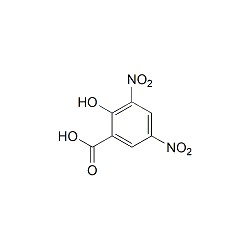 | 683304609-99-4 | 1×1000 mg | Please log in | |
| 13C6-3,5-Dinitrosalicylic acid | 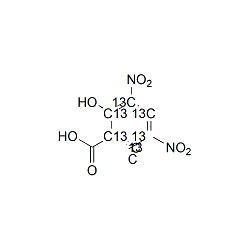 | 690413 | 1×5 mg | Please log in | |
ISO 17034 Certified Reference Material 13C6-3,5-Dinitrosalicylic acidConcentration: 100 µg/ml Solvent: Acetonitrile | 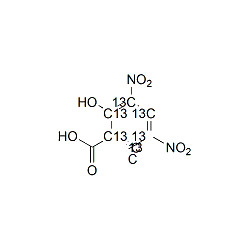 | 690449 | 1×1 ml | Please log in | |
ISO 17034 Certified Reference Material 3,5-Dinitrosalicylic acidConcentration: 10 µg/ml Solvent: Acetonitrile | 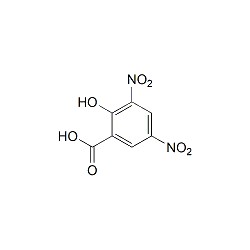 | 691835609-99-4 | 1×10 ml | on request | |
Dinitrosalicylic Acid
High-purity reference materials for accurate and reliable residue analysis.
Overview
Dinitrosalicylic acid (DNS) is a chemical compound commonly used in biochemical assays to measure the concentration of reducing sugars. It is an aromatic compound with two nitro groups and a carboxyl group attached to a benzene ring.
Uses
Dinitrosalicylic acid is widely used in laboratories for the quantification of reducing sugars in various samples, including food and environmental samples. It is particularly useful in enzymatic assays where the production of reducing sugars needs to be measured.
Regulatory
As with all chemical reagents used in analytical procedures, DNS must comply with relevant regulatory standards to ensure the accuracy and reliability of analytical results. Laboratories must adhere to guidelines provided by regulatory bodies such as the FDA, EPA, and EFSA.
Monitoring
Accurate monitoring of reducing sugars using DNS is essential for various industries, including food production and environmental monitoring. Regular calibration and validation of analytical instruments using high-purity reference materials are crucial for maintaining data integrity.
Health Impact
Human Toxicity
Exposure to dinitrosalicylic acid can pose health risks, including skin and eye irritation. Proper handling procedures and safety measures must be followed to minimize exposure and protect laboratory personnel.
Environmental Impact
Effects on Wildlife
While DNS is primarily used in controlled laboratory environments, any accidental release into the environment must be managed to prevent potential adverse effects on wildlife and ecosystems.
Safety Measures
Laboratories must implement strict safety protocols when handling dinitrosalicylic acid. This includes the use of personal protective equipment (PPE), proper ventilation, and adherence to material safety data sheets (MSDS).
Regulation
Compliance with international quality standards is mandatory for the use of dinitrosalicylic acid in analytical procedures. Laboratories must ensure that their practices align with regulatory requirements to maintain the validity of their results.
Analytical Standards
Dinitrosalicylic acid high-purity reference materials are essential for the accurate quantification of reducing sugars in various samples. These reference materials are manufactured and tested according to international quality standards, ensuring the reliability of analytical results.