

Diuron
High-Purity Diuron Reference Materials for Accurate Residue Analysis
Ensure precision in your residue analysis with HPC Standards GmbH's high-purity Diuron reference materials. Our products meet international quality requirements and the highest industrial standards, making them essential for laboratories focused on food and environmental analysis. Trust in our expertise to help you comply with regulatory limits and achieve reliable results.
Filter
| Product | Image | Catalog No./ CAS No. | Quantity | Price |
|---|---|---|---|---|
ISO 17034 Reference Material Diuron | 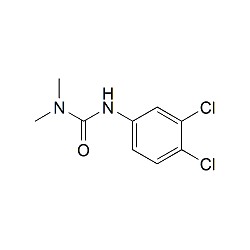 | 672847330-54-1 | 1×250 mg | Please log in |
ISO 17034 Certified Reference Material DiuronConcentration: 100 µg/ml Solvent: Acetonitrile | 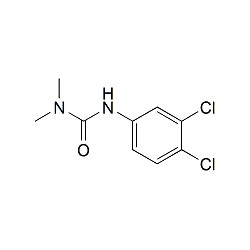 | 673269330-54-1 | 1×5 ml | Please log in |
ISO 17034 Reference Material D6-Diuron | 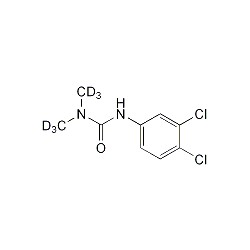 | 6746921007536-67-5 | 1×10 mg | Please log in |
ISO 17034 Certified Reference Material D6-DiuronConcentration: 100 µg/ml Solvent: Acetone | 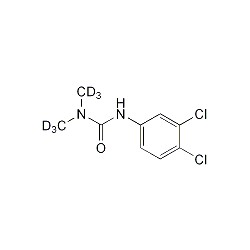 | 6754131007536-67-5 | 1×1 ml | Please log in |
ISO 17034 Certified Reference Material D6-DiuronConcentration: 100 µg/ml Solvent: Acetonitrile | 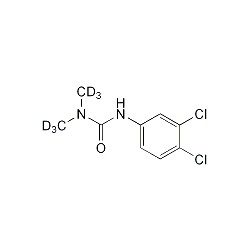 | 6763141007536-67-5 | 1×1 ml | Please log in |
ISO 17034 Certified Reference Material Diuron | 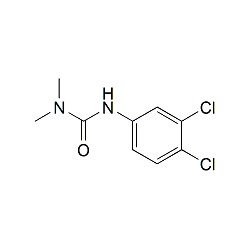 | 691438330-54-1 | 1×100 mg | Please log in |
Diuron
High-purity reference materials for accurate and reliable residue analysis
Overview
Diuron, also known as N'-(3,4-Dichlorophenyl)-N,N-dimethylurea, is a white crystalline solid with the chemical formula C9H10Cl2N2O. It is a herbicide and algicide of the aryl urea class that inhibits photosynthesis by blocking the QB plastoquinone binding site of photosystem II.
Uses
Diuron is primarily used as a herbicide to control a wide variety of annual and perennial broadleaf and grassy weeds. It is also used as an algicide in aquatic environments and as a pre-emergent herbicide in agricultural settings.
Regulatory
Diuron is regulated under various international guidelines to ensure its safe use. It is classified as a known/likely human carcinogen based on animal testing. Regulatory limits are established to control its residue levels in food and the environment.
Monitoring
Monitoring of Diuron residues is essential for compliance with regulatory limits. Laboratories conducting food and environmental analysis rely on high-purity reference materials to ensure accurate and reliable results.
Health Impact
Diuron has been characterized as a potential human carcinogen. Exposure to Diuron can cause adverse health effects, including toxicity to the liver and kidneys. It is important to handle Diuron with care and follow safety guidelines to minimize exposure.
Environmental Impact
Diuron is persistent in the environment and can have detrimental effects on non-target plants and aquatic organisms. It inhibits photosynthesis, which can lead to the disruption of aquatic ecosystems. Proper management and application practices are necessary to mitigate its environmental impact.
Safety Measure
When handling Diuron, it is important to follow safety measures such as wearing protective clothing, gloves, and eye protection. Ensure proper ventilation and avoid inhalation or ingestion. In case of accidental exposure, seek medical attention immediately.
Analytical Standards
HPC Standards GmbH provides high-purity reference materials for Diuron, ensuring accurate and reliable residue analysis. Our products are tested according to international quality requirements and meet the highest industrial standards. These reference materials are essential for laboratories conducting food and environmental analysis to ensure compliance with regulatory limits.