

Eugenol
Ensure Accurate Residue Analysis with High-Purity Eugenol Reference Materials
HPC Standards GmbH offers top-tier, high-purity reference materials for Eugenol, essential for precise residue analysis. Our products meet the highest international quality standards, making them indispensable for laboratories focused on food and environmental analysis. Trust HPC Standards GmbH to help you maintain compliance with regulatory limits and achieve reliable results in your analytical processes.
Filter
| Product | Image | Catalog No./ CAS No. | Quantity | Price |
|---|---|---|---|---|
| Eugenol | 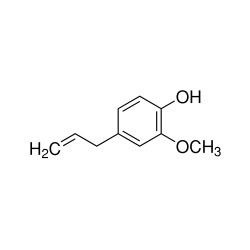 | 67307597-53-0 | 1×250 mg | Please log in |
ISO 17034 Reference Material D3-Eugenol | 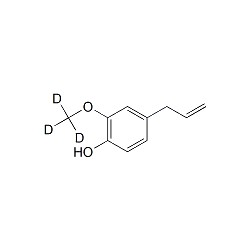 | 6842041335401-17-6 | 1×10 mg | Please log in |
ISO 17034 Certified Reference Material D3-EugenolConcentration: 100 µg/ml Solvent: Cyclohexane |  | 6906621335401-17-6 | 1×1 ml | Please log in |
ISO 17034 Certified Reference Material EugenolConcentration: 100 µg/ml Solvent: Methanol | 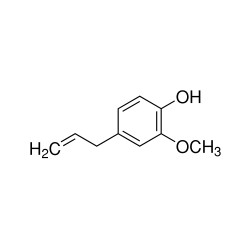 | 69099197-53-0 | 1×5 ml | Please log in |
Eugenol
High-purity reference materials for accurate residue analysis
Overview
Eugenol, also known as 2-Methoxy-4-(prop-2-en-1-yl)phenol, is a colorless to pale yellow, aromatic oily liquid extracted from certain essential oils such as clove, nutmeg, cinnamon, basil, and bay leaf. It is widely used in various industries due to its pleasant, spicy, clove-like scent.
Uses
Eugenol is used as a flavor or aroma ingredient in teas, meats, cakes, perfumes, cosmetics, flavorings, and essential oils. It also serves as a local antiseptic and anesthetic. In dentistry, eugenol is combined with zinc oxide to form zinc oxide eugenol, which has restorative and prosthodontic applications.
Regulatory
Eugenol is subject to restrictions in perfumery due to potential allergenic reactions. It is also regulated in various household products, including pesticides, pet care, laundry, cleaning, and paper or vehicle products.
Monitoring
Monitoring eugenol levels in various products is crucial to ensure compliance with regulatory standards and to avoid potential health risks associated with overexposure.
Health Impact
Human Toxicity
In high doses, eugenol can cause liver toxicity. Symptoms of overdose include hematuria, convulsions, diarrhea, nausea, sedation, hallucinations, delirium, unconsciousness, muscle spasms, respiratory depression, dizziness, tachycardia, and acute kidney injury. N-acetylcysteine may be used to treat eugenol overdose.
Environmental Impact
Effects on Wildlife
Eugenol is attractive to males of various species of orchid bees and female cucumber beetles. It is also used as an anesthetic for aquarium and wild fish, providing a humane method for euthanasia or sampling.
Safety Measures
When handling eugenol, appropriate safety measures should be taken to avoid overexposure. Protective equipment and proper ventilation are recommended.
Regulation
Eugenol is regulated under various international standards to ensure its safe use in food, cosmetic, pharmaceutical, and agricultural products.
Analytical Standards
HPC Standards GmbH provides high-purity reference materials for eugenol, ensuring accurate and reliable residue analysis. Our products meet the highest industrial standards and are essential for laboratories conducting food and environmental analysis to ensure compliance with regulatory limits.