


Fenthion-oxon-sulfone
Ensure Compliance with High-Purity Fenthion-oxon-sulfone Reference Materials
Accurate and reliable residue analysis is crucial for food and environmental safety. Our high-purity Fenthion-oxon-sulfone reference materials meet international quality standards, providing essential tools for laboratories to monitor and ensure compliance with regulatory limits. Trust HPC Standards GmbH for your analytical needs in pesticide residue analysis.
Filter
| Product | Image | Catalog No./ CAS No. | Quantity | Price |
|---|---|---|---|---|
ISO 17034 Certified Reference Material Fenthion-oxon-sulfoneConcentration: 10.0 µg/ml Solvent: Acetonitrile | 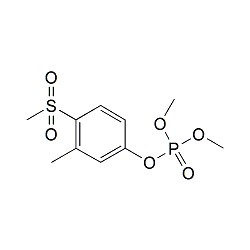 | 67423314086-35-2 | 1×10 ml | Please log in |
ISO 17034 Certified Reference Material Fenthion-oxon-sulfoneConcentration: 100 µg/ml Solvent: Acetonitrile | 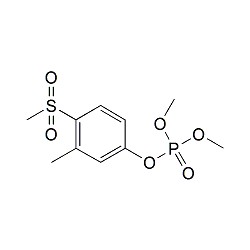 | 67626714086-35-2 | 1×1 ml | Please log in |
ISO 17034 Reference Material Fenthion-oxon-sulfone | 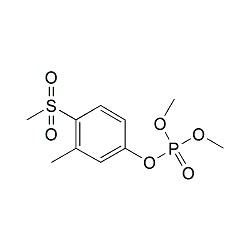 | 68013014086-35-2 | 1×50 mg | Please log in |
ISO 17034 Reference Material D6-Fenthion-oxon-sulfone | 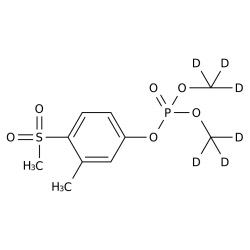 | 6931782733000-83-2 | 1×10 mg | Please log in |
ISO 17034 Certified Reference Material D6-Fenthion-oxon-sulfoneConcentration: 100 µg/ml Solvent: Acetonitrile | 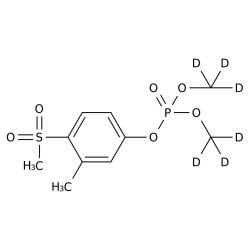 | 6931792733000-83-2 | 1×1 ml | Please log in |
Fenthion-oxon-sulfone Reference Materials
High-purity reference materials for accurate and reliable residue analysis of Fenthion-oxon-sulfone.
Overview
Fenthion-oxon-sulfone is a metabolite of the organophosphorus insecticide fenthion. It is used primarily in agricultural settings to control pests. The compound is significant in residue analysis for ensuring the safety and compliance of food and environmental samples.
Uses
Fenthion-oxon-sulfone is primarily used to monitor residues in food and environmental samples. Laboratories use high-purity reference materials of this compound to ensure accurate detection and quantification in various matrices.
Regulatory
Regulatory bodies such as the European Food Safety Authority (EFSA) and the United States Environmental Protection Agency (EPA) have set maximum residue limits (MRLs) for fenthion and its metabolites, including fenthion-oxon-sulfone. Compliance with these regulations is crucial for food safety and environmental protection.
Monitoring
Regular monitoring of fenthion-oxon-sulfone residues is essential for ensuring that agricultural products meet safety standards. This involves the use of reliable reference materials to validate analytical methods and ensure accurate results.
Health Impact
Human Toxicity
Fenthion-oxon-sulfone, like other organophosphorus compounds, can inhibit acetylcholinesterase, leading to neurotoxic effects in humans. Chronic exposure can result in various health issues, making accurate residue analysis critical for public health.
Environmental Impact
Effects on Wildlife
Fenthion-oxon-sulfone can have detrimental effects on wildlife, particularly aquatic organisms and birds. Monitoring environmental samples for residues of this compound helps in assessing its ecological impact and implementing necessary safety measures.
Safety Measures
Proper handling and usage guidelines should be followed to minimize exposure to fenthion-oxon-sulfone. Laboratories must use appropriate safety equipment and protocols when working with this compound to ensure the safety of personnel.
Regulation
Regulatory frameworks for fenthion-oxon-sulfone involve setting permissible limits in food and environmental samples. Compliance with these regulations ensures consumer safety and environmental protection.
Analytical Standards
High-purity reference materials for fenthion-oxon-sulfone are essential for accurate residue analysis. These materials are tested according to international quality requirements and meet the highest industrial standards, providing laboratories with reliable tools for compliance and safety assessments.