

Flonicamid
High-Purity Flonicamid Reference Materials for Precise Residue Analysis
Ensure your laboratory's compliance with international regulatory standards using our high-purity Flonicamid reference materials. Designed for accurate residue analysis, our products help you monitor and mitigate environmental and health impacts effectively. Trust HPC Standards GmbH for reliable results in food and environmental analysis.
Filter
| Product | Image | Catalog No./ CAS No. | Quantity | Price |
|---|---|---|---|---|
ISO 17034 Certified Reference Material FlonicamidConcentration: 10.0 µg/ml Solvent: Acetonitrile | 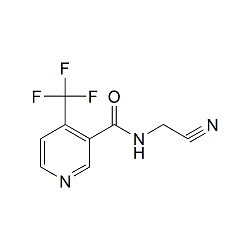 | 673597158062-67-0 | 1×10 ml | Please log in |
ISO 17034 Certified Reference Material FlonicamidConcentration: 100 µg/ml Solvent: Acetonitrile | 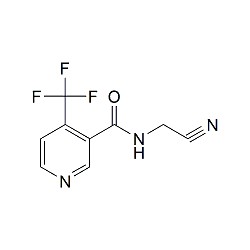 | 673598158062-67-0 | 1×5 ml | Please log in |
ISO 17034 Reference Material Flonicamid | 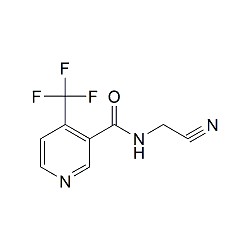 | 674439158062-67-0 | 1×25 mg | Please log in |
ISO 17034 Reference Material D3-Flonicamid | 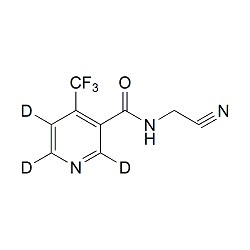 | 675687 | 1×5 mg | Please log in |
ISO 17034 Certified Reference Material D3-FlonicamidConcentration: 100 µg/ml Solvent: Acetonitrile | 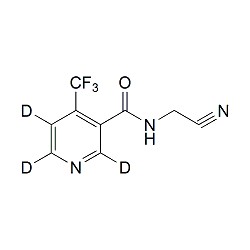 | 675985 | 1×1 ml | Please log in |
ISO 17034 Certified Reference Material Flonicamid | 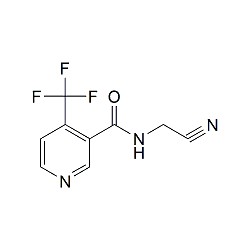 | 690256158062-67-0 | 1×10 mg | Please log in |
Flonicamid
High-purity reference materials for accurate residue analysis
Overview
Flonicamid is a pyridine organic compound used primarily as an insecticide. It is effective against aphids, whiteflies, and thrips by disrupting their chordotonal organs, which affects their hearing, balance, and movement, leading to cessation of feeding. The chemical formula for Flonicamid is C9H6F3N3O, and it appears as a white crystalline powder.
Uses
Flonicamid is widely used in agricultural settings to protect crops from pests. It is typically sold as wettable granules that are mixed with water before application. Its primary function is to control insect populations by interfering with their ability to feed.
Regulatory
Flonicamid is subject to various regulatory standards to ensure its safe use in agriculture. It is important for laboratories to conduct residue analysis to ensure compliance with these regulatory limits. Our reference materials for Flonicamid meet international quality requirements and the highest industrial standards.
Monitoring
Regular monitoring of Flonicamid residues in food and the environment is crucial for maintaining safety and compliance with regulatory standards. Our high-purity reference materials provide accurate and reliable results for laboratories conducting these analyses.
Health Impact
Flonicamid has been evaluated for its potential health impacts. It is important to follow safety guidelines and regulatory limits to minimize any adverse effects on human health. Proper usage and monitoring are essential to ensure safety.
Environmental Impact
Flonicamid can have environmental impacts, particularly on non-target organisms. Its use should be carefully managed to minimize any negative effects on the environment. Regular residue analysis helps in monitoring and mitigating these impacts.
Safety Measure
When handling Flonicamid, it is important to follow safety measures such as wearing protective equipment and adhering to recommended usage guidelines. Proper storage and disposal are also crucial to ensure safety.
Analytical Standards
Our high-purity reference materials for Flonicamid are essential for laboratories conducting residue analysis. These materials ensure accurate and reliable results, helping laboratories meet international quality requirements and regulatory standards.