


Ketamine hydrochloride
Ensure Accurate Residue Analysis with High-Purity Ketamine Hydrochloride Reference Materials
HPC Standards GmbH offers top-tier Ketamine Hydrochloride reference materials, meticulously tested to meet international quality standards. Essential for laboratories in food and environmental analysis, our high-purity products guarantee precise and reliable residue analysis, ensuring compliance with regulatory limits. Partner with us for unparalleled expertise in analytical standards.
Filter
| Product | Image | Catalog No./ CAS No. | Quantity | Price |
|---|---|---|---|---|
ISO 17034 Reference Material D3-Ketamine hydrochloride | 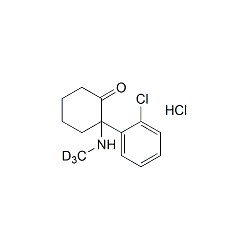 | 6797341073254-49-5 | 1×10 mg | Please log in |
| Ketamine hydrochloride | 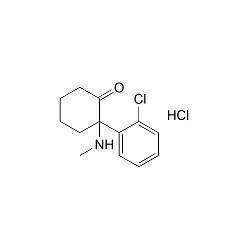 | 6797351867-66-9 | 1×100 mg | Please log in |
ISO 17034 Certified Reference Material D3-Ketamine hydrochlorideConcentration: 100 µg/ml Solvent: Acetonitrile | 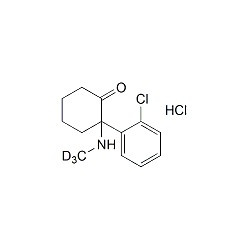 | 6909221073254-49-5 | 1×1 ml | Please log in |
ISO 17034 Certified Reference Material Ketamine hydrochlorideConcentration: 1000 µg/ml Solvent: Methanol | 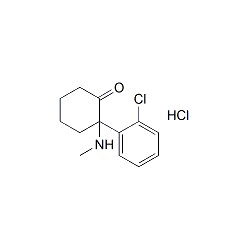 | 6920991867-66-9 | 1×1 ml | Please log in |
Ketamine Hydrochloride
High-Purity Reference Materials for Accurate Residue Analysis
Overview
Ketamine hydrochloride is a dissociative anesthetic used medically for induction and maintenance of anesthesia. It is also employed in the treatment of depression and pain management. Ketamine was first synthesized in 1962 and is available as a generic medication. It is a mixture of two enantiomers: esketamine (S-ketamine) and arketamine (R-ketamine).
Uses
Ketamine is used in medical settings for anesthesia, pain management, and as an antidepressant. It is preferred for short-term procedures where muscle relaxation is not required and is frequently used in emergency surgery and veterinary medicine.
Regulatory
Ketamine is a controlled substance in many countries. In the United States, it is classified as a Schedule III drug under the Controlled Substances Act. It is also listed as a Schedule 8 controlled drug in Australia and a Schedule I narcotic in Canada.
Monitoring
Monitoring ketamine use involves quantitating its concentration in blood or plasma to confirm diagnosis, provide evidence in impaired driving arrests, or assist in medicolegal death investigations. The presence of norketamine, a metabolite, is useful for confirmation of ketamine ingestion.
Health Impact
Human Toxicity
At anesthetic doses, ketamine can cause adverse psychiatric reactions such as dreams, dysphoria, hallucinations, and emergence delirium. Long-term use can lead to liver and urinary toxicity, including ketamine-induced cystitis and liver injury.
Environmental Impact
Effects on Wildlife
Ketamine's impact on wildlife is not well-documented, but its use in veterinary medicine suggests it is generally safe for animals when used appropriately.
Safety Measure
Safety measures for ketamine include proper dosing and monitoring, especially in patients with severe cardiovascular disease, increased intracranial pressure, or poorly controlled psychosis. Pretreatment with benzodiazepines or propofol can mitigate some of the adverse effects.
Regulation
Ketamine is regulated under various legal frameworks worldwide. It is essential to comply with local regulations for its use, storage, and distribution.
Analytical Standards
HPC Standards GmbH provides high-purity reference materials for ketamine hydrochloride, ensuring accurate and reliable residue analysis. Our products meet international quality requirements and the highest industrial standards, essential for laboratories conducting food and environmental analysis to ensure compliance with regulatory limits.