

Linuron
Ensure Accurate Residue Analysis with High-Purity Linuron Reference Materials
Linuron, a phenylurea herbicide, is essential for controlling grass and weed growth in crops like soybeans. HPC Standards GmbH offers high-purity Linuron reference materials, meeting international quality standards to support precise residue analysis in food and environmental laboratories. Ensure compliance with regulatory limits and maintain crop health with our reliable products.
Filter
| Product | Image | Catalog No./ CAS No. | Quantity | Price |
|---|---|---|---|---|
ISO 17034 Reference Material Linuron | 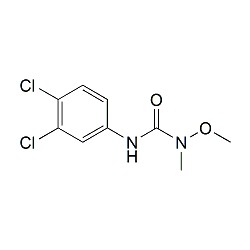 | 672864330-55-2 | 1×100 mg | Please log in |
ISO 17034 Certified Reference Material LinuronConcentration: 100 µg/ml Solvent: Acetonitrile | 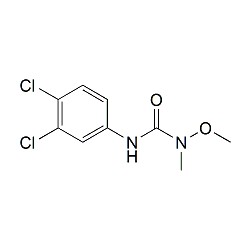 | 673339330-55-2 | 1×5 ml | Please log in |
| D6-Linuron | 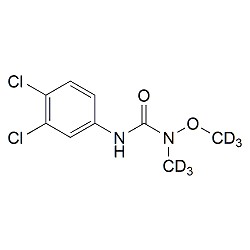 | 6742831219804-76-8 | 1×10 mg | Please log in |
ISO 17034 Certified Reference Material D6-LinuronConcentration: 100 µg/ml Solvent: Acetonitrile | 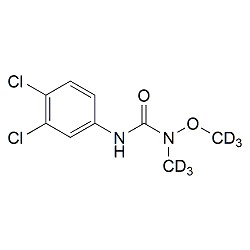 | 6820241219804-76-8 | 1×1 ml | Please log in |
ISO 17034 Certified Reference Material Linuron | 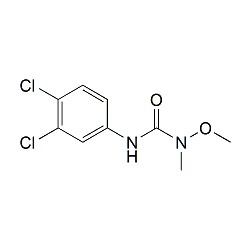 | 691508330-55-2 | 1×50 mg | Please log in |
Linuron
High-purity reference materials for accurate residue analysis
Overview
Linuron (IUPAC name: 3-(3,4-dichlorophenyl)-1-methoxy-1-methylurea) is a phenylurea herbicide used to control the growth of grass and weeds, supporting the cultivation of crops such as soybeans. It inhibits photosystem II, which is essential for photosynthetic electron transport in plants.
Uses
Linuron is primarily used in agricultural settings to manage weed growth in crop fields. It is effective in controlling a wide range of grasses and broadleaf weeds, making it valuable for maintaining crop health and yield.
Regulatory
Due to its classification as an endocrine disruptor and its reproductive toxicity in animals, Linuron's regulatory approval was not renewed by the European Commission's Standing Committee on Plants, Animals, Food and Feed (SCoPAFF) in January 2017. Sales of Linuron were expected to cease by June 2017.
Monitoring
Monitoring Linuron residues in food and the environment is crucial for ensuring compliance with regulatory limits. Laboratories conducting such analyses require high-purity reference materials to achieve accurate and reliable results.
Health Impact
Linuron acts as an androgen receptor antagonist, leading to reproductive toxicity in animals. This property categorizes it as an endocrine disruptor, raising concerns about its potential impact on human health.
Environmental Impact
Linuron can persist in the environment, potentially affecting non-target plant species and aquatic ecosystems. Its use and disposal must be managed carefully to minimize environmental contamination.
Safety Measure
Handling Linuron requires appropriate safety measures, including the use of personal protective equipment (PPE) and adherence to safety guidelines to prevent exposure and environmental release.
Analytical Standards
HPC Standards GmbH provides high-purity reference materials for Linuron, ensuring laboratories can conduct precise residue analysis. Our products meet international quality requirements and the highest industrial standards, supporting food and environmental safety compliance.