

Octane
Optimize Your Residue Analysis with High-Purity Octane Reference Materials
Ensure precise and reliable residue analysis in food and environmental samples with HPC Standards GmbH's high-purity Octane reference materials. Our products meet international quality standards, helping laboratories achieve regulatory compliance and accurate results. Trust HPC Standards for your analytical needs in fuel performance, environmental monitoring, and safety compliance.
Filter
| Product | Image | Catalog No./ CAS No. | Quantity | Price |
|---|---|---|---|---|
ISO 17034 Reference Material D18-Octane |  | 67920317252-77-6 | 1×1 ml | Please log in |
ISO 17034 Reference Material n-Octane | 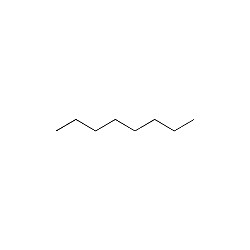 | 680388111-65-9 | 1×5 ml | Please log in |
ISO 17034 Certified Reference Material D18-OctaneConcentration: 100 µg/ml Solvent: Methanol |  | 68713317252-77-6 | 1×5 ml | Please log in |
Octane Reference Materials
High-purity reference materials for accurate residue analysis in food and environmental samples.
Overview
Octane is a hydrocarbon and an alkane with the chemical formula C8H18. It is a key component in gasoline and is used as a standard for measuring the performance of fuel in internal combustion engines.
Uses
Octane reference materials are crucial for laboratories conducting residue analysis in food and environmental samples. They help ensure compliance with regulatory limits and provide accurate and reliable results.
Regulatory
Octane levels in various environments are regulated by international standards to ensure safety and environmental protection. Compliance with these regulations is crucial for industries involved in fuel production and environmental monitoring.
Monitoring
Regular monitoring of octane levels in environmental samples is essential to detect contamination and ensure regulatory compliance. High-purity reference materials are used to calibrate analytical instruments and validate methods.
Health Impact
Human Toxicity
Exposure to high levels of octane can cause health issues such as respiratory problems, dizziness, and headaches. It is essential to monitor and control octane levels to prevent adverse health effects.
Environmental Impact
Effects on Wildlife
Octane can have detrimental effects on wildlife if it contaminates natural habitats. It can lead to toxicity in aquatic life and disrupt ecosystems. Monitoring and regulating octane levels are crucial for environmental protection.
Safety Measures
Proper handling and storage of octane and its reference materials are essential to prevent spills and contamination. Laboratories must follow safety protocols to ensure the safe use of these materials.
Regulation
International regulations govern the acceptable levels of octane in various environments. Adherence to these regulations is mandatory for industries to avoid legal penalties and ensure environmental and public health safety.
Analytical Standards
HPC Standards GmbH provides high-purity reference materials for octane, tested according to international quality requirements. These materials are essential for laboratories to achieve accurate and reliable residue analysis, ensuring compliance with regulatory limits.