


Phenol
High-Purity Phenol Reference Materials for Accurate Residue Analysis
Ensure precision in your residue analysis with HPC Standards GmbH's high-purity phenol reference materials. Our products meet the highest industrial standards and are rigorously tested to comply with international quality requirements. Essential for laboratories focused on food and environmental analysis, our phenol standards help you achieve reliable results and maintain regulatory compliance. Partner with us for unparalleled accuracy and reliability in your analytical processes.
Filter
| Product | Image | Catalog No./ CAS No. | Quantity | Price | |
|---|---|---|---|---|---|
ISO 17034 Reference Material Phenol | 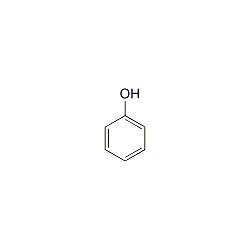 | 676001108-95-2 | 1×1000 mg | Please log in | |
| D6-Phenol | 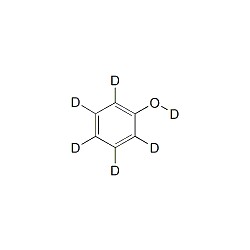 | 67787313127-88-3 | 1×1000 mg | Please log in | |
ISO 17034 Certified Reference Material PhenolConcentration: 100 µg/ml Solvent: Methanol | 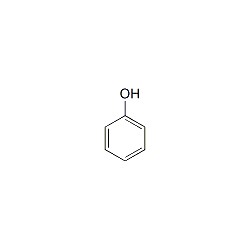 | 678056108-95-2 | 1×1 ml | Please log in | |
ISO 17034 Reference Material D3-2,4,6-Phenol | 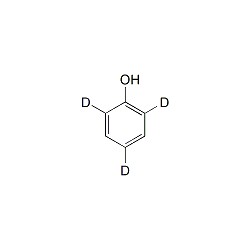 | 6865547329-50-2 | 1×10 mg | on request | |
ISO 17034 Certified Reference Material D3-2,4,6-PhenolConcentration: 100 µg/ml Solvent: Methanol | 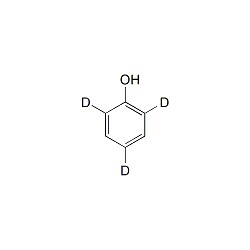 | 6865557329-50-2 | 1×1 ml | on request | |
ISO 17034 Certified Reference Material D6-PhenolConcentration: 100 µg/ml Solvent: Methanol | 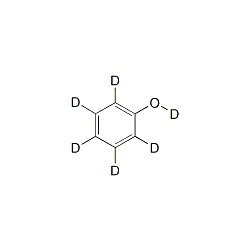 | 68989113127-88-3 | 1×5 ml | on request | |
ISO 17034 Certified Reference Material PhenolConcentration: 100 µg/ml Solvent: Acetonitrile | 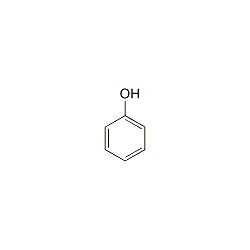 | 691870108-95-2 | 1×10 ml | Please log in | |
Phenol
High-purity reference materials for accurate and reliable residue analysis.
Overview
Phenol, also known as carbolic acid, is an aromatic organic compound with the molecular formula C6H5OH. It is a white crystalline solid that is volatile and mildly acidic. Phenol requires careful handling due to its potential to cause chemical burns.
Uses
Phenol is primarily used in the synthesis of plastics and related materials. It is a precursor to polycarbonates, epoxies, explosives, Bakelite, nylon, detergents, herbicides, and numerous pharmaceutical drugs. Phenol is also used in the production of phenolic resins and as a component in industrial paint strippers.
Regulatory
Phenol is regulated under various international standards due to its hazardous nature. It is classified as a dangerous substance and requires proper labeling and handling procedures. Regulatory limits are set for its use in different industries to ensure safety and compliance.
Monitoring
Monitoring of phenol levels is essential in laboratories conducting food and environmental analysis. High-purity reference materials are used to ensure accurate and reliable residue analysis, helping laboratories comply with regulatory limits.
Health Impact
Phenol and its vapors are corrosive to the eyes, skin, and respiratory tract. It can cause chemical burns, dermatitis, lung edema, and systemic poisoning if absorbed through the skin. Long-term exposure may affect the central nervous system, heart, liver, and kidneys.
Environmental Impact
Phenol is a significant environmental pollutant due to its widespread use in industrial processes. It can contaminate water sources and soil, posing risks to aquatic life and ecosystems. Biodegradation of phenol by certain bacteria species helps mitigate its environmental impact.
Safety Measure
Proper safety measures include using personal protective equipment (PPE), ensuring adequate ventilation, and following handling and storage guidelines. In case of exposure, decontamination procedures involve washing with polyethylene glycol, isopropyl alcohol, or copious amounts of water.
Analytical Standards
HPC Standards GmbH provides high-purity reference materials for phenol, ensuring accurate and reliable residue analysis. Our products meet the highest industrial standards and are tested according to international quality requirements. These reference materials are essential for laboratories conducting food and environmental analysis to ensure compliance with regulatory limits.