


Phenylphenol
High-Purity Phenylphenol Reference Materials for Accurate Residue Analysis
Ensure your laboratory's compliance with regulatory standards using HPC Standards GmbH's high-purity phenylphenol reference materials. Our products are meticulously tested to meet international quality requirements, providing reliable and precise residue analysis for food and environmental samples. Trust HPC Standards GmbH for your phenylphenol needs and maintain the highest levels of safety and accuracy in your analyses.
Filter
| Product | Image | Catalog No./ CAS No. | Quantity | Price |
|---|---|---|---|---|
ISO 17034 Reference Material 2-Phenylphenol | 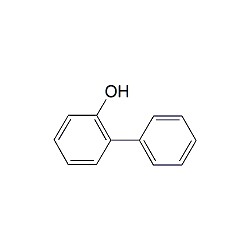 | 67288090-43-7 | 1×250 mg | Please log in |
| 2-Phenylphenol Concentration: 100 µg/ml Solvent: Acetonitrile | 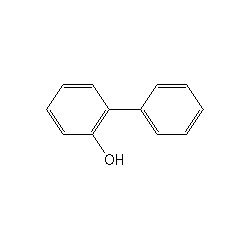 | 67845690-43-7 | 1×5 ml | Please log in |
| 4-Phenylphenol | 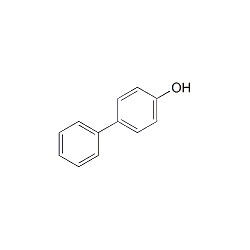 | 68095392-69-3 | 1×250 mg | Please log in |
ISO 17034 Certified Reference Material 2-PhenylphenolConcentration: 100 µg/ml Solvent: Methanol | 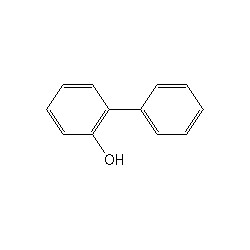 | 68169090-43-7 | 1×5 ml | Please log in |
ISO 17034 Certified Reference Material 4-PhenylphenolConcentration: 100 µg/ml Solvent: Acetonitrile | 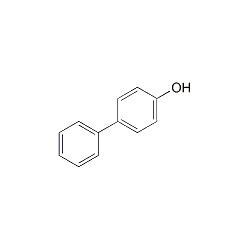 | 68221092-69-3 | 1×5 ml | Please log in |
ISO 17034 Certified Reference Material 2-Phenylphenol | 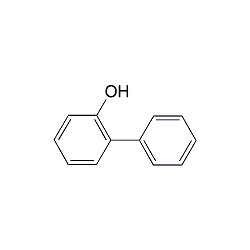 | 69188290-43-7 | 1×100 mg | Please log in |
Phenylphenol
High-purity reference materials for accurate residue analysis
Overview
Phenylphenol refers to a group of chemical compounds, including 2-Phenylphenol, Sodium 2-phenylphenol, and 4-Phenylphenol. These compounds are commonly used in various industrial and laboratory applications due to their antimicrobial properties.
Uses
Phenylphenol is widely used as a disinfectant and preservative. It is commonly found in products such as disinfectant sprays, agricultural fungicides, and as a preservative in food packaging materials. Laboratories utilize phenylphenol for residue analysis to ensure the safety and compliance of food and environmental samples.
Regulatory
Phenylphenol is regulated by various international bodies to ensure its safe use in consumer products and environmental applications. Regulatory limits are established to control the concentration of phenylphenol residues in food and environmental samples, ensuring they do not pose a risk to human health or the environment.
Monitoring
Monitoring phenylphenol residues is essential for compliance with regulatory standards. Laboratories conducting food and environmental analysis rely on high-purity reference materials to accurately measure phenylphenol levels, ensuring that products meet safety and quality requirements.
Health Impact
Exposure to phenylphenol can have various health impacts, depending on the concentration and duration of exposure. It is known to cause skin and eye irritation and, in higher concentrations, may have more severe health effects. Proper handling and adherence to safety guidelines are crucial to minimize health risks.
Environmental Impact
Phenylphenol can have detrimental effects on the environment if not properly managed. It is essential to monitor and control phenylphenol residues to prevent contamination of soil and water sources, which can harm aquatic life and disrupt ecosystems.
Safety Measure
When handling phenylphenol, it is important to follow safety measures such as using personal protective equipment (PPE), working in well-ventilated areas, and adhering to proper storage and disposal guidelines. These measures help minimize exposure and reduce the risk of adverse health and environmental effects.
Analytical Standards
HPC Standards GmbH provides high-purity reference materials for phenylphenol, ensuring accurate and reliable residue analysis. Our products are tested according to international quality requirements and meet the highest industrial standards. These reference materials are essential for laboratories conducting food and environmental analysis to ensure compliance with regulatory limits.