

Picaridin
Unlock Precision with High-Purity Picaridin Reference Materials
Ensure your laboratory's residue analysis meets the highest standards with HPC Standards GmbH's high-purity Picaridin reference materials. Our products are meticulously tested to comply with international quality requirements, providing you with the accuracy and reliability needed for food and environmental analysis. Trust HPC Standards GmbH as your competent partner in achieving regulatory compliance and maintaining excellence in analytical results.
Filter
| Product | Image | Catalog No./ CAS No. | Quantity | Price |
|---|---|---|---|---|
| Picaridin | 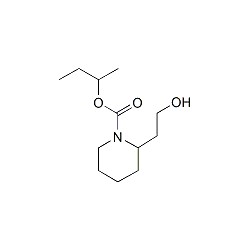 | 679845119515-38-7 | 1×10 mg | Please log in |
ISO 17034 Certified Reference Material PicaridinConcentration: 100 µg/ml Solvent: Acetonitrile |  | 680459119515-38-7 | 1×1 ml | Please log in |
ISO 17034 Certified Reference Material PicaridinConcentration: 10.0 µg/ml Solvent: Ethyl acetate |  | 681271119515-38-7 | 1×10 ml | Please log in |
ISO 17034 Certified Reference Material PicaridinConcentration: 100 µg/ml Solvent: Ethyl acetate | 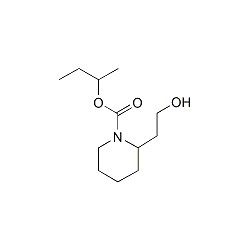 | 689267119515-38-7 | 1×1 ml | Please log in |
| D3-Picaridin | 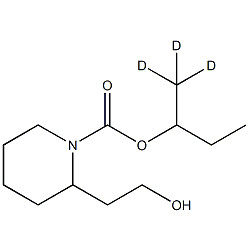 | 689789 | 1×5 mg | Please log in |
Picaridin Reference Materials
High-purity reference materials for accurate residue analysis of Picaridin
Overview
Picaridin, also known as Icaridin, is a widely used insect repellent effective against a variety of arthropods such as mosquitoes, ticks, gnats, flies, and fleas. It is almost colorless and odorless, making it a preferred choice in various applications.
Uses
Picaridin is commonly applied directly to skin or clothing to repel insects. It is available in various commercial products under different trade names, including Cutter Advanced, Muskol, and Skin So Soft Bug Guard Plus.
Regulatory
Picaridin has been approved by the EU Commission for use in repellent products, with the latest approval entering into force on February 1, 2022. It meets international quality requirements and complies with regulatory limits.
Monitoring
Accurate residue analysis of Picaridin is essential for ensuring compliance with regulatory standards. HPC Standards GmbH provides high-purity reference materials for this purpose.
Health Impact
Human Toxicity
Picaridin is less toxic compared to other insect repellents like DEET. However, it can cause mild to moderate eye irritation on contact and is slightly toxic if ingested.
Environmental Impact
Effects on Wildlife
Studies have shown that Picaridin can be highly toxic to certain aquatic organisms like larval salamanders. However, it has been found non-toxic in tests involving water fleas and zebrafish.
Safety Measures
When using Picaridin, it is important to follow safety guidelines to minimize risks. This includes avoiding contact with eyes and not ingesting the substance.
Analytical Standards
HPC Standards GmbH offers high-purity reference materials for Picaridin, ensuring reliable and accurate residue analysis for laboratories involved in food and environmental analysis.