

Propylparaben
High-Purity Propylparaben Reference Materials for Accurate Residue Analysis
Ensure compliance and reliability in your food and environmental testing with our high-purity Propylparaben reference materials. Trusted by laboratories worldwide, our products meet the highest industrial standards and are essential for precise residue analysis. Partner with HPC Standards GmbH for unparalleled quality and expertise in analytical standards.
Filter
| Product | Image | Catalog No./ CAS No. | Quantity | Price |
|---|---|---|---|---|
ISO 17034 Certified Reference Material D4-PropylparabenConcentration: 100 µg/ml Solvent: Methanol | 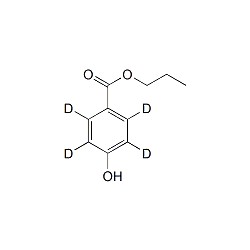 | 6782151219802-67-1 | 1×1 ml | Please log in |
ISO 17034 Reference Material Propylparaben | 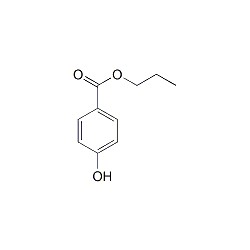 | 67934794-13-3 | 1×250 mg | Please log in |
ISO 17034 Certified Reference Material Propylparaben | 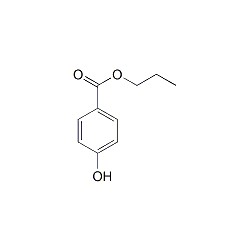 | 69210294-13-3 | 1×100 mg | Please log in |
Propylparaben Reference Materials
High-purity reference materials for accurate and reliable residue analysis in food and environmental samples.
Overview
Propylparaben, also known as propyl 4-hydroxybenzoate, is a chemical compound used primarily as a preservative in cosmetics, pharmaceuticals, and food products. It is a member of the paraben family and is valued for its antimicrobial properties.
Uses
Propylparaben is widely used as a preservative in various industries. In cosmetics, it can be found in moisturizers, shampoos, conditioners, and makeup products. In the food industry, it is used to preserve baked goods, dairy products, and beverages. It also finds applications in pharmaceuticals, including pills, syrups, and injectable solutions.
Regulatory
Under FDA regulations, propylparaben is considered safe for use in food products at concentrations up to 0.1%. In cosmetics, the European Union allows its use as a preservative in concentrations up to 0.19% when combined with other parabens. Recent legislative actions in New York and California have proposed or enacted bans on its use due to concerns about its potential endocrine-disrupting effects.
Monitoring
Monitoring the levels of propylparaben in various products is crucial for ensuring compliance with regulatory limits. Laboratories conducting residue analysis rely on high-purity reference materials to achieve accurate and reliable results.
Health Impact
Human Toxicity
Propylparaben is generally considered safe for human use at low concentrations. However, there are concerns about its potential to disrupt the endocrine system, particularly with long-term exposure. Studies have shown that high levels of propylparaben can affect sperm and testosterone production in males.
Environmental Impact
Effects on Wildlife
Propylparaben has been found to have minimal environmental impact when used in regulated amounts. However, its potential effects on wildlife, particularly aquatic organisms, are still being studied.
Safety Measures
When handling propylparaben, it is important to follow safety guidelines to minimize exposure. This includes using personal protective equipment and ensuring proper ventilation in work areas.
Regulation
Propylparaben is regulated by various international bodies, including the FDA and the European Union. These regulations set maximum allowable concentrations in different products to ensure consumer safety.
Analytical Standards
High-purity reference materials for propylparaben are essential for laboratories conducting residue analysis. These materials help ensure the accuracy and reliability of analytical results, supporting compliance with regulatory standards.