

Quintozene
Ensure Accurate Residue Analysis with High-Purity Quintozene Reference Materials
Quintozene, also known as pentachloronitrobenzene (PCNB), is a vital fungicide in agriculture, used to combat soil-borne fungal diseases in crops like vegetables, cotton, and turf. Given its regulatory complexities and health impacts, precise monitoring is crucial. HPC Standards GmbH offers high-purity Quintozene reference materials, ensuring laboratories achieve accurate and reliable residue analysis, meeting the highest international quality standards. Trust us as your competent partner in food and environmental analysis.
Filter
| Product | Image | Catalog No./ CAS No. | Quantity | Price |
|---|---|---|---|---|
ISO 17034 Reference Material Quintozene | 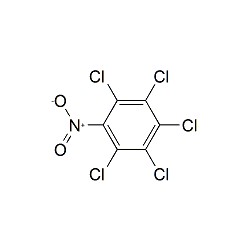 | 67527582-68-8 | 1×250 mg | Please log in |
ISO 17034 Certified Reference Material QuintozeneConcentration: 100 µg/ml Solvent: Acetonitrile |  | 67849982-68-8 | 1×1 ml | Please log in |
ISO 17034 Certified Reference Material QuintozeneConcentration: 100 µg/ml Solvent: Ethyl acetate |  | 68044982-68-8 | 1×1 ml | Please log in |
ISO 17034 Certified Reference Material QuintozeneConcentration: 100 µg/ml Solvent: Cyclohexane | 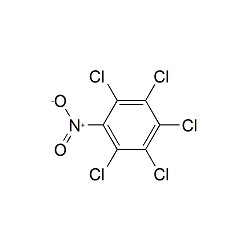 | 68195182-68-8 | 1×1 ml | Please log in |
ISO 17034 Certified Reference Material QuintozeneConcentration: 100 µg/ml Solvent: Acetonitrile | 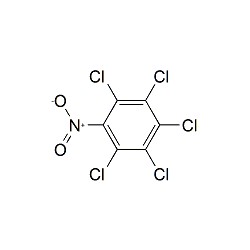 | 68891082-68-8 | 1×5 ml | Please log in |
Quintozene
High-purity reference materials for accurate and reliable residue analysis.
Overview
Quintozene, also known as pentachloronitrobenzene (PCNB), is a fungicide used primarily in agriculture. It is a chlorinated aromatic compound that has been utilized to control soil-borne fungal diseases in crops such as vegetables, cotton, and turf.
Uses
Quintozene is applied to soil to prevent fungal diseases that affect the roots of plants. It is particularly effective against pathogens like Rhizoctonia solani, Sclerotinia sclerotiorum, and Fusarium species.
Regulatory
Regulations concerning Quintozene vary by country. In the EU, its use has been banned due to concerns over its environmental and health impacts. In the United States, its use is restricted and regulated under the Federal Insecticide, Fungicide, and Rodenticide Act (FIFRA).
Monitoring
Monitoring for Quintozene residues is essential to ensure compliance with regulatory limits. Laboratories must use high-purity reference materials to achieve accurate and reliable results in residue analysis.
Health Impact
Human Toxicity
Exposure to Quintozene can lead to various health issues, including skin irritation, respiratory problems, and potential carcinogenic effects. It is classified as a possible human carcinogen by the International Agency for Research on Cancer (IARC).
Environmental Impact
Effects on Wildlife
Quintozene is highly toxic to aquatic organisms and can have detrimental effects on wildlife. Its persistence in the environment can lead to bioaccumulation and long-term ecological harm.
Safety Measures
Proper handling and application of Quintozene are crucial to minimize exposure risks. Personal protective equipment (PPE) such as gloves, masks, and protective clothing should be used when handling this chemical.
Regulation
Various international bodies have set limits on the allowable levels of Quintozene residues in food and the environment. Compliance with these regulations is mandatory for ensuring public and environmental safety.
Analytical Standards
High-purity reference materials for Quintozene are essential for laboratories conducting residue analysis. These materials ensure accuracy and reliability in detecting and quantifying Quintozene residues in various matrices.