

Styrene
Ensure Accurate Residue Analysis with High-Purity Styrene Reference Materials
At HPC Standards GmbH, we offer high-purity reference materials for Styrene, essential for precise residue analysis in food and environmental laboratories. Our products meet international quality requirements and the highest industrial standards, ensuring compliance with regulatory limits. Trust us as your competent partner in the fields of food and environmental analysis.
Filter
| Product | Image | Catalog No./ CAS No. | Quantity | Price | |
|---|---|---|---|---|---|
ISO 17034 Reference Material Styrene | 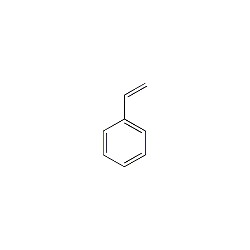 | 681846100-42-5 | 1×5 ml | Please log in | |
ISO 17034 Reference Material D8-Styrene | 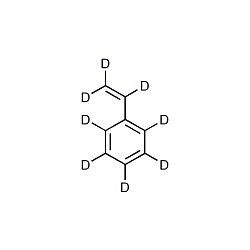 | 68852019361-62-7 | 1×100 mg | Please log in | |
ISO 17034 Certified Reference Material D8-StyreneConcentration: 100 µg/ml Solvent: Methanol | 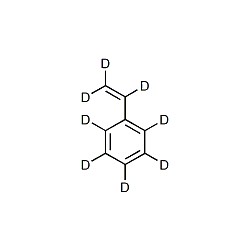 | 68852119361-62-7 | 1×5 ml | on request | |
ISO 17034 Reference Material D3-Styrene | 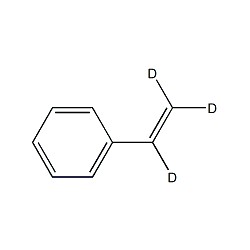 | 6888203814-93-5 | 1×10 mg | on request | |
ISO 17034 Certified Reference Material StyreneConcentration: 100 µg/ml Solvent: Methanol | 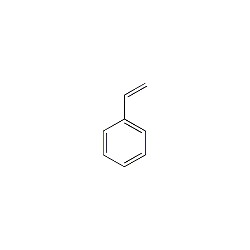 | 693515100-42-5 | 1×5 ml | Please log in | |
ISO 17034 Certified Reference Material Styrene | 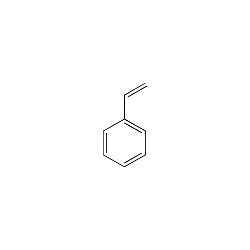 | 694665100-42-5 | 1×5 ml | Please log in | |
Styrene Reference Materials
High-purity reference materials for accurate residue analysis of Styrene.
Overview
Styrene, also known as ethenylbenzene, vinylbenzene, and phenylethene, is an organic compound with the chemical formula C8H8. It is a colorless, oily liquid that evaporates easily and has a sweet smell. Styrene is primarily used as a precursor to polystyrene and several copolymers.
Uses
Styrene is widely used in the manufacture of polystyrene plastics and resins. It is also used in the production of rubber, insulation materials, fiberglass, pipes, automotive and boat parts, food containers, and carpet backing.
Regulatory
Styrene is subject to various regulatory standards due to its potential health and environmental impacts. It is classified as a hazardous material, and its production, handling, and disposal are regulated by agencies such as the US Environmental Protection Agency (EPA) and the European Chemicals Agency (ECHA).
Monitoring
Monitoring styrene levels in the environment and in industrial settings is crucial to ensure compliance with safety standards and to minimize exposure risks. Analytical methods such as gas chromatography and mass spectrometry are commonly used for this purpose.
Health Impact
Human Toxicity
Styrene is considered toxic and has been classified as a possible human carcinogen by the International Agency for Research on Cancer (IARC). Exposure to styrene can occur through inhalation, ingestion, or skin contact, leading to various health issues such as respiratory problems, skin irritation, and potential long-term effects including cancer.
Environmental Impact
Effects on Wildlife
Styrene can have detrimental effects on wildlife, particularly aquatic organisms. It is important to monitor and control styrene emissions to prevent contamination of water bodies and to protect aquatic life.
Safety Measures
Proper safety measures should be implemented when handling styrene, including the use of personal protective equipment (PPE), proper ventilation, and adherence to safety guidelines. In case of spills or leaks, immediate action should be taken to contain and clean up the material to prevent environmental contamination.
Analytical Standards
HPC Standards GmbH provides high-purity reference materials for styrene, ensuring accurate and reliable residue analysis. Our products are tested according to international quality requirements and meet the highest industrial standards, making them essential for laboratories conducting food and environmental analysis to ensure compliance with regulatory limits.