


Sulfathiazole
High-Purity Sulfathiazole Reference Materials – Ensure Accurate Residue Analysis
Unlock precision in your residue analysis with our high-purity Sulfathiazole reference materials. Essential for laboratories focused on food and environmental safety, our products meet international quality standards, ensuring compliance with regulatory limits. Trust HPC Standards GmbH for reliable and accurate analytical results.
Filter
| Product | Image | Catalog No./ CAS No. | Quantity | Price | |
|---|---|---|---|---|---|
ISO 17034 Reference Material Sulfathiazole | 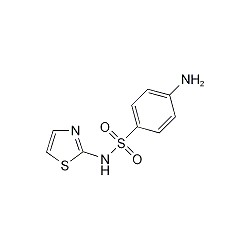 | 67297772-14-0 | 1×250 mg | Please log in | |
| D4-Sulfathiazole | 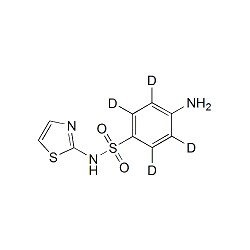 | 6748291020719-89-4 | 1×10 mg | Please log in | |
| 13C6-Sulfathiazole | 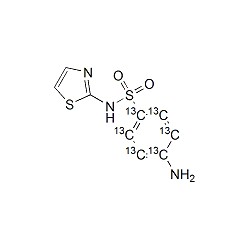 | 6794961196157-72-8 | 1×10 mg | Please log in | |
ISO 17034 Certified Reference Material 13C6-SulfathiazoleConcentration: 100 µg/ml Solvent: Methanol | 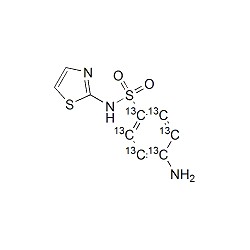 | 6908411196157-72-8 | 1×1 ml | on request | |
Sulfathiazole
High-purity reference materials for accurate residue analysis in food and environmental samples.
Overview
Sulfathiazole is an organosulfur compound used primarily as a short-acting sulfa drug. It exists in various forms, with the imine tautomer being dominant in solid samples. Historically, it was a common oral and topical antimicrobial agent until less toxic alternatives were developed.
Uses
Sulfathiazole has been used as an antimicrobial agent for treating various bacterial infections. It was commonly used for skin infections, impetigo, and other conditions requiring antimicrobial intervention.
Regulatory
Sulfathiazole is regulated under various international drug codes, including D06BA02, J01EB07, and QJ01EQ07, as per WHO classifications. Compliance with these regulations is essential for laboratories conducting residue analysis.
Monitoring
Accurate monitoring of Sulfathiazole residues in food and environmental samples is crucial for ensuring safety and compliance with regulatory limits. High-purity reference materials are essential for reliable analytical results.
Health Impact
Sulfathiazole can have significant health impacts, particularly related to human toxicity.
Human Toxicity
While effective as an antimicrobial agent, Sulfathiazole can be toxic, causing side effects such as allergic reactions, skin rashes, and other adverse effects, which led to the development of safer alternatives.
Environmental Impact
The environmental impact of Sulfathiazole includes potential effects on wildlife and ecosystems.
Effects on Wildlife
Residues of Sulfathiazole in the environment can affect wildlife, particularly aquatic organisms, leading to disruptions in ecosystems.
Safety Measures
Proper handling and disposal of Sulfathiazole are essential to minimize health risks and environmental impact. Laboratories must follow safety protocols to ensure safe usage.
Regulation
Regulatory frameworks for Sulfathiazole involve strict guidelines for its use, monitoring, and residue limits in food and environmental samples. Compliance with these regulations is mandatory for laboratories.
Analytical Standards
HPC Standards GmbH provides high-purity reference materials for Sulfathiazole, ensuring accurate and reliable residue analysis. Our products are tested according to international quality requirements and meet the highest industrial standards, making them essential for laboratories conducting food and environmental analysis.