

Tetrachloroethane
Ensure Accurate Residue Analysis with High-Purity Tetrachloroethane Reference Materials
Tetrachloroethane is a crucial compound in various industrial applications, but its toxicity and environmental impact necessitate stringent monitoring. HPC Standards GmbH offers high-purity reference materials for Tetrachloroethane, ensuring laboratories can conduct precise and reliable residue analyses. Our products meet the highest industrial standards and comply with international quality requirements, making us your trusted partner in food and environmental analysis.
Filter
| Product | Image | Catalog No./ CAS No. | Quantity | Price | |
|---|---|---|---|---|---|
ISO 17034 Reference Material 1,1,1,2-Tetrachloroethane | 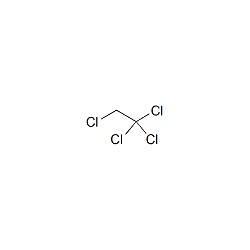 | 677383630-20-6 | 1×1 ml | Please log in | |
| 1,1,2,2-Tetrachloroethane | 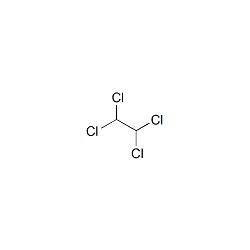 | 68231079-34-5 | 1×1000 mg | Please log in | |
ISO 17034 Certified Reference Material 1,1,2,2-TetrachloroethaneConcentration: 100 µg/ml Solvent: Methanol | 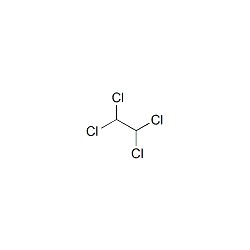 | 68413179-34-5 | 1×5 ml | Please log in | |
ISO 17034 Certified Reference Material 1,1,2,2-TetrachloroethaneConcentration: 1000 µg/ml Solvent: Methanol | 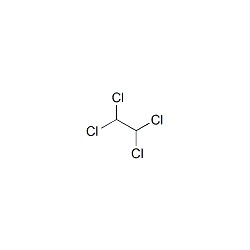 | 68413279-34-5 | 1×1 ml | Please log in | |
ISO 17034 Certified Reference Material 1,1,1,2-TetrachloroethaneConcentration: 100 µg/ml Solvent: Methanol | 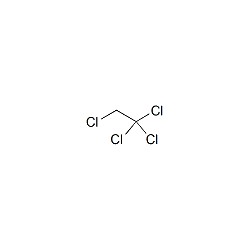 | 684134630-20-6 | 1×5 ml | Please log in | |
ISO 17034 Certified Reference Material 1,1,1,2-TetrachloroethaneConcentration: 1000 µg/ml Solvent: Methanol | 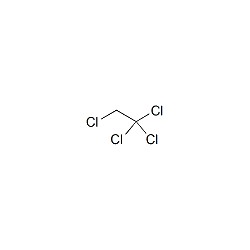 | 684135630-20-6 | 1×1 ml | Please log in | |
ISO 17034 Certified Reference Material D2-1,1,2,2-TetrachloroethaneConcentration: 1000 µg/ml Solvent: Methanol | 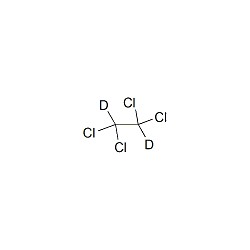 | 68756033685-54-0 | 1×1 ml | on request | |
Tetrachloroethane Reference Materials
High-purity reference materials for accurate and reliable residue analysis of Tetrachloroethane.
Overview
Tetrachloroethane is a chlorinated hydrocarbon with the chemical formula C2H2Cl4. It exists in two isomeric forms: 1,1,2,2-tetrachloroethane and 1,1,1,2-tetrachloroethane, with the former being more commonly used in industrial applications.
Uses
Tetrachloroethane has been used in the production of other chemicals, as a solvent, and in the manufacture of varnishes and lacquers. It has also been used as an intermediate in the production of trichloroethylene and tetrachloroethylene.
Regulatory
Due to its toxicity and environmental impact, the use of Tetrachloroethane is highly regulated. Various international bodies have set stringent limits on its permissible levels in industrial and environmental contexts.
Monitoring
Regular monitoring of Tetrachloroethane levels in environmental and industrial settings is crucial. Laboratories use high-purity reference materials to ensure the accuracy and reliability of their residue analyses.
Health Impact
Human Toxicity
Tetrachloroethane is known to be toxic to humans, causing liver and kidney damage upon prolonged exposure. It is also a potential carcinogen, making its monitoring and regulation critical.
Environmental Impact
Effects on Wildlife
Tetrachloroethane can have detrimental effects on wildlife, particularly aquatic organisms. It can bioaccumulate in the food chain, leading to long-term ecological consequences.
Safety Measures
Proper safety measures must be implemented when handling Tetrachloroethane. This includes the use of personal protective equipment (PPE) and adequate ventilation to minimize exposure.
Regulation
Various international regulations govern the use and disposal of Tetrachloroethane. Compliance with these regulations is essential to ensure environmental and human health safety.
Analytical Standards
HPC Standards GmbH provides high-purity reference materials for Tetrachloroethane, ensuring accurate and reliable residue analysis. Our products meet the highest industrial standards and are tested according to international quality requirements.