

Triethanolamine
High-Purity Triethanolamine Reference Materials for Precise Residue Analysis
Ensure the highest accuracy in your food and environmental residue analysis with our high-purity Triethanolamine reference materials. HPC Standards GmbH offers meticulously tested products that meet international quality requirements, providing essential support for laboratories to maintain compliance with regulatory limits. Trust in our expertise for reliable and precise analytical results.
Filter
| Product | Image | Catalog No./ CAS No. | Quantity | Price |
|---|---|---|---|---|
| Triethanolamine | 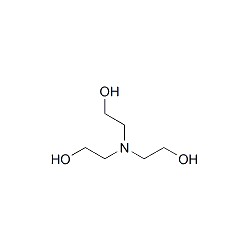 | 676501102-71-6 | 1×1 ml | Please log in |
ISO 17034 Reference Material D15-Triethanolamine | 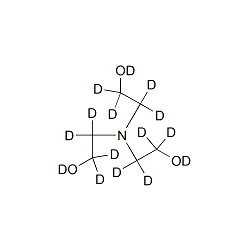 | 67729273205-32-0 | 1×10 mg | Please log in |
ISO 17034 Certified Reference Material TriethanolamineConcentration: 1000 µg/ml Solvent: Acetonitrile | 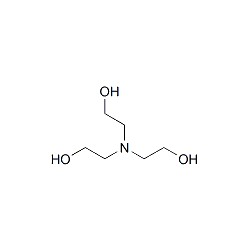 | 687438102-71-6 | 1×5 ml | Please log in |
ISO 17034 Certified Reference Material D15-TriethanolamineConcentration: 100 µg/ml Solvent: Acetonitrile | 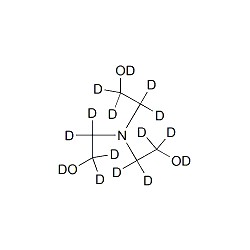 | 68764073205-32-0 | 1×1 ml | Please log in |
Triethanolamine
High-purity reference materials for accurate residue analysis in food and environmental samples.
Overview
Triethanolamine (TEA) is an organic compound with the chemical formula N(CH2CH2OH)3. It is a colourless, viscous liquid that is both a tertiary amine and a triol. TEA is commonly used in various industrial and consumer products due to its ability to neutralize fatty acids, adjust pH, and solubilize oils.
Uses
Triethanolamine is primarily used in the production of surfactants, emulsifiers, and as a pH balancer in cosmetic products. It is also used in cement production, metalworking fluids, and as a complexing agent in electroless plating and ultrasonic testing.
Regulatory
TEA is listed under Schedule 3, part B of the Chemical Weapons Convention as it can be used in the manufacture of HN3 nitrogen mustard. It is also regulated in various cosmetic and pharmaceutical applications due to its potential allergenic properties.
Monitoring
Regular monitoring of TEA levels in products and environments is crucial to ensure compliance with safety and health regulations. Analytical methods such as chromatography and mass spectrometry are commonly used for this purpose.
Health Impact
Human toxicity
TEA can cause contact allergies and dermatitis. It has been shown to cause liver tumors in female mice and has potential systemic toxicity and respiratory tract irritancy in inhalation studies.
Environmental Impact
Effects on wildlife
TEA has potential acute, sub-chronic, and chronic toxicity properties in aquatic species. Its environmental impact requires careful management and monitoring.
Safety Measure
Proper handling and storage of TEA are essential to minimize exposure and risk. Safety measures include using personal protective equipment (PPE) and following safety data sheet (SDS) guidelines.
Regulation
TEA is subject to various regulations to ensure safe use in consumer and industrial products. Compliance with these regulations is essential for manufacturers and distributors.
Analytical Standards
HPC Standards GmbH provides high-purity reference materials for Triethanolamine, ensuring accurate and reliable residue analysis. Our products meet the highest industrial standards and are essential for laboratories conducting food and environmental analysis to ensure compliance with regulatory limits.