| Product |
Image |
Catalog No./ CAS No. |
Quantity |
Price |
|
ISO 17034 Reference Material
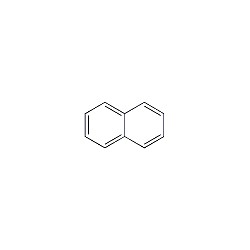
Naphthalene
|
|
675030
91-20-3
|
1×250 mg
|
Please log in
|
|
ISO 17034 Reference Material
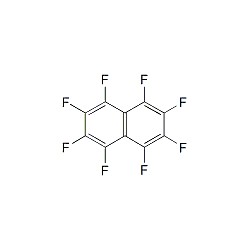
Octafluoronaphthalene
|
|
675482
313-72-4
|
1×100 mg
|
Please log in
|
|
ISO 17034 Certified Reference Material
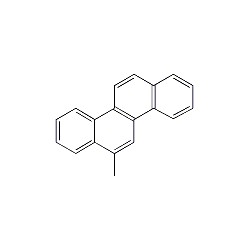
6-Methylchrysene
Concentration: 10.0 µg/ml
Solvent: Acetonitrile
|
|
675709
1705-85-7
|
1×10 ml
|
Please log in
|
|
ISO 17034 Reference Material
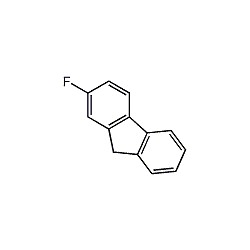
2-Fluorofluorene
|
|
676300
343-43-1
|
1×10 mg
|
Please log in
|
|
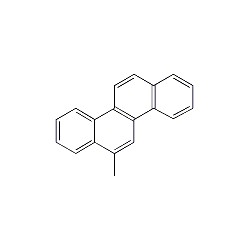
ISO 17034 Certified Reference Material
6-Methylchrysene
Concentration: 100 µg/ml
Solvent: Acetonitrile
|
|
676316
1705-85-7
|
1×1 ml
|
Please log in
|
|
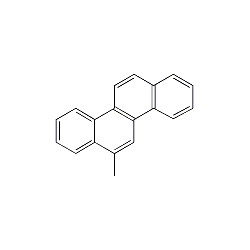
ISO 17034 Certified Reference Material
6-Methylchrysene
Concentration: 100 µg/ml
Solvent: Acetonitrile
|
|
676873
1705-85-7
|
1×5 ml
|
Please log in
|
|
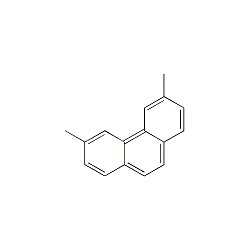
3,6-Dimethylphenanthrene
|
|
677030
1576-67-6
|
1×10 mg
|
Please log in
|
|
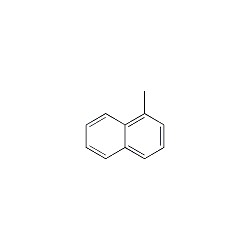
1-Methylnaphthalene
|
|
677133
90-12-0
|
1×250 mg
|
Please log in
|
|
ISO 17034 Reference Material
Fluorene
|
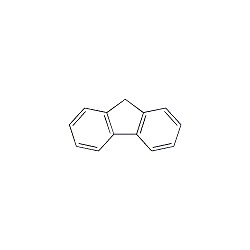
|
677353
86-73-7
|
1×100 mg
|
Please log in
|
|
ISO 17034 Reference Material
Acenaphthylene
|
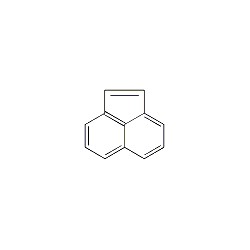
|
677356
208-96-8
|
1×100 mg
|
Please log in
|
|
ISO 17034 Reference Material
Fluoranthene
|
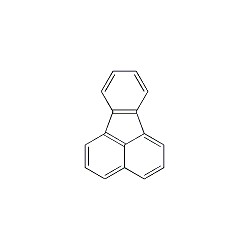
|
677362
206-44-0
|
1×100 mg
|
Please log in
|
|
ISO 17034 Reference Material
Anthracene
|
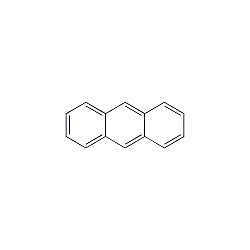
|
677365
120-12-7
|
1×100 mg
|
Please log in
|
|
ISO 17034 Reference Material
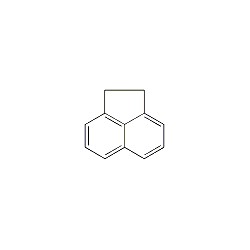
Acenaphthene
|
|
677368
83-32-9
|
1×100 mg
|
Please log in
|
|
ISO 17034 Reference Material
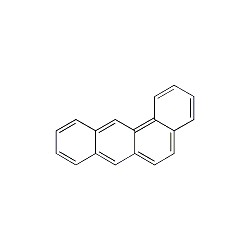
Benz[a]anthracene
|
|
677532
56-55-3
|
1×20 mg
|
Please log in
|
|
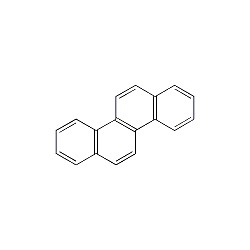
Chrysene
|
|
677533
218-01-9
|
1×25 mg
|
Please log in
|
|
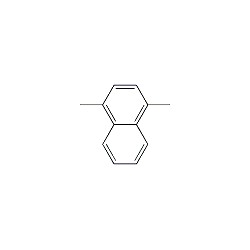
1,4-Dimethylnaphthalene
|
|
677597
571-58-4
|
1×100 mg
|
Please log in
|
|
ISO 17034 Reference Material
2-Naphthol
|
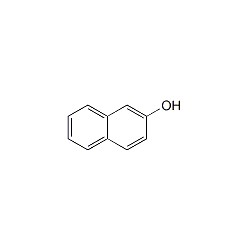
|
677646
135-19-3
|
1×500 mg
|
Please log in
|
|
ISO 17034 Reference Material
Benzo[a]pyrene
|
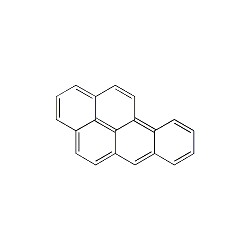
|
677666
50-32-8
|
1×25 mg
|
Please log in
|
|
ISO 17034 Certified Reference Material
Benzo[a]pyrene
Concentration: 10.0 µg/ml
Solvent: Acetonitrile
|
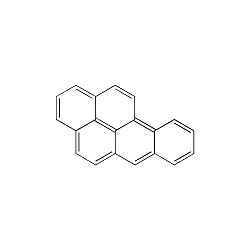
|
677679
50-32-8
|
1×10 ml
|
Please log in
|
|
ISO 17034 Certified Reference Material
Benzo[a]pyrene
Concentration: 100 µg/ml
Solvent: Acetonitrile
|
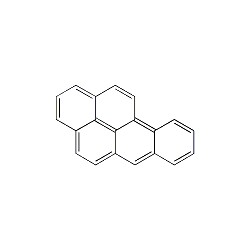
|
677680
50-32-8
|
1×1 ml
|
Please log in
|
|
ISO 17034 Certified Reference Material
Indeno[1,2,3-c,d]pyrene
Concentration: 100 µg/ml
Solvent: Acetonitrile
|
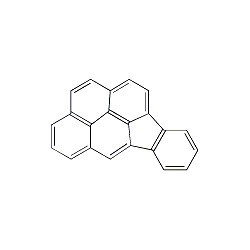
|
677682
193-39-5
|
1×1 ml
|
Please log in
|
High-Purity PAH Reference Materials for Precise Residue Analysis
Ensure the accuracy and reliability of your PAH residue analysis with HPC Standards GmbH's high-purity reference materials. Our products meet international quality standards, providing essential support for laboratories in food and environmental analysis to comply with regulatory limits. Trust us as your competent partner in achieving precise and dependable results.
Polycyclic Aromatic Hydrocarbons (PAH)
High-Purity Reference Materials for Accurate Residue Analysis
Overview
Polycyclic Aromatic Hydrocarbons (PAHs) are a class of organic compounds consisting of multiple aromatic rings. They are primarily formed during the incomplete combustion of organic matter and are found in various environmental matrices such as air, water, soil, and food.
Uses
PAHs are used in research to study environmental contamination, human exposure, and health effects. They are also important in the monitoring of food safety and environmental health.
Regulatory
Regulations for PAHs are established by various international bodies to limit their presence in the environment and food products. These regulations ensure that PAH levels remain within safe limits to protect human health and the environment.
Monitoring
Monitoring PAHs involves sampling and analyzing air, water, soil, and food products. Laboratories use high-purity reference materials to ensure the accuracy and reliability of their analytical results.
Health Impact
Human Toxicity
Exposure to PAHs can lead to various health issues, including respiratory problems, skin irritation, and increased risk of cancer. Long-term exposure is particularly concerning due to the potential for bioaccumulation and chronic health effects.
Environmental Impact
Effects on Wildlife
PAHs can have detrimental effects on wildlife, including reproductive and developmental issues, increased mortality, and disruptions to ecosystems. They can bioaccumulate in the food chain, affecting various species.
Safety Measures
Implementing safety measures to limit PAH exposure includes using protective equipment, adhering to regulatory guidelines, and employing proper waste management practices to reduce emissions and contamination.
Regulation
Various regulatory agencies, such as the EPA and EU, have established guidelines and maximum allowable concentrations for PAHs in different matrices. These regulations are essential for protecting public health and the environment.
Analytical Standards
High-purity reference materials are essential for the accurate analysis of PAHs in laboratories. HPC Standards GmbH provides high-quality reference materials that meet international quality requirements, ensuring reliable residue analysis for compliance with regulatory limits.